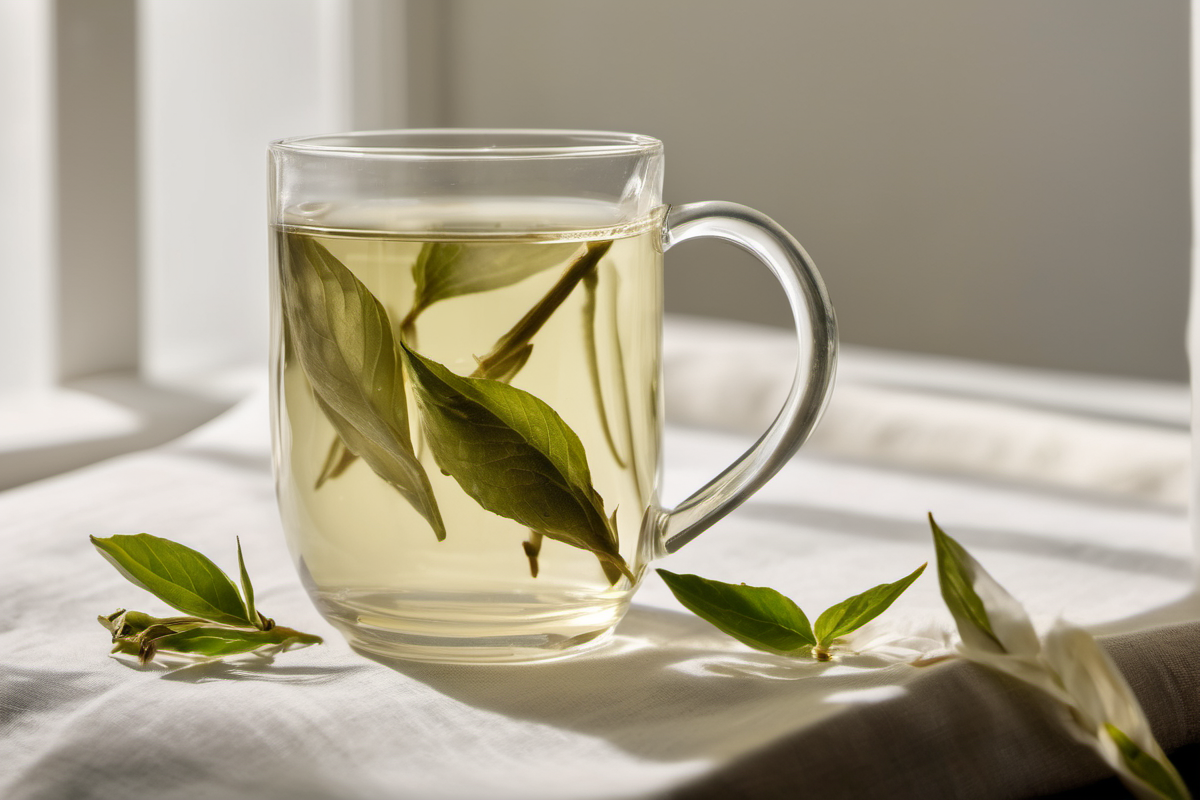
White tea is the most delicate and least processed of all teas — and a perfect entry point for anyone new to Chinese tea. It’s subtle, sweet, and almost impossible to brew badly.
This guide explains what white tea is, how it’s made, and the famous white teas you should know.
What Is White Tea?
White tea (白茶) is the least processed tea — the leaves are simply withered and dried, with no rolling or firing. This minimal processing preserves the tea’s natural, delicate character.
The name comes from the fine, silvery-white hairs on the young buds of the tea plant.
How Is White Tea Made?
- Plucking: young buds and leaves are picked (often in early spring).
- Withering: leaves are left to dry naturally, sometimes in sunlight.
- Drying: a gentle final drying locks in the flavor.
No rolling, no firing — which is why white tea tastes so clean and gentle.
Famous White Teas
- Silver Needle (Baihao Yinzhen): made only from buds — the most prized and delicate white tea.
- White Peony (Bai Mudan): buds plus young leaves — fuller flavor, great value.
- Shou Mei / Gong Mei: more mature leaves — bolder, darker, and cheaper.
What Does White Tea Taste Like?
- Delicate, sweet, and mellow
- Notes of honey, melon, and fresh hay
- Little to no bitterness (even when over-steeped)
Is White Tea Low in Caffeine?
White tea is often described as low-caffeine, but it’s not that simple — caffeine depends more on the specific tea and how it’s brewed. In practice, white tea is usually gentle and easy-drinking.
How to Brew White Tea
Use cooler water (175–185°F) and a slightly longer steep — white tea is forgiving and hard to over-brew. See our brewing guide for details.
Why White Tea Is Great for Beginners
- Hard to ruin: it doesn’t turn bitter easily.
- Subtle and approachable: a gentle introduction to real tea.
- Affordable: White Peony is a great value.
Bottom line: white tea is the gentlest, most forgiving Chinese tea — an ideal starting point for newcomers.
2 thoughts on “What Is White Tea?”