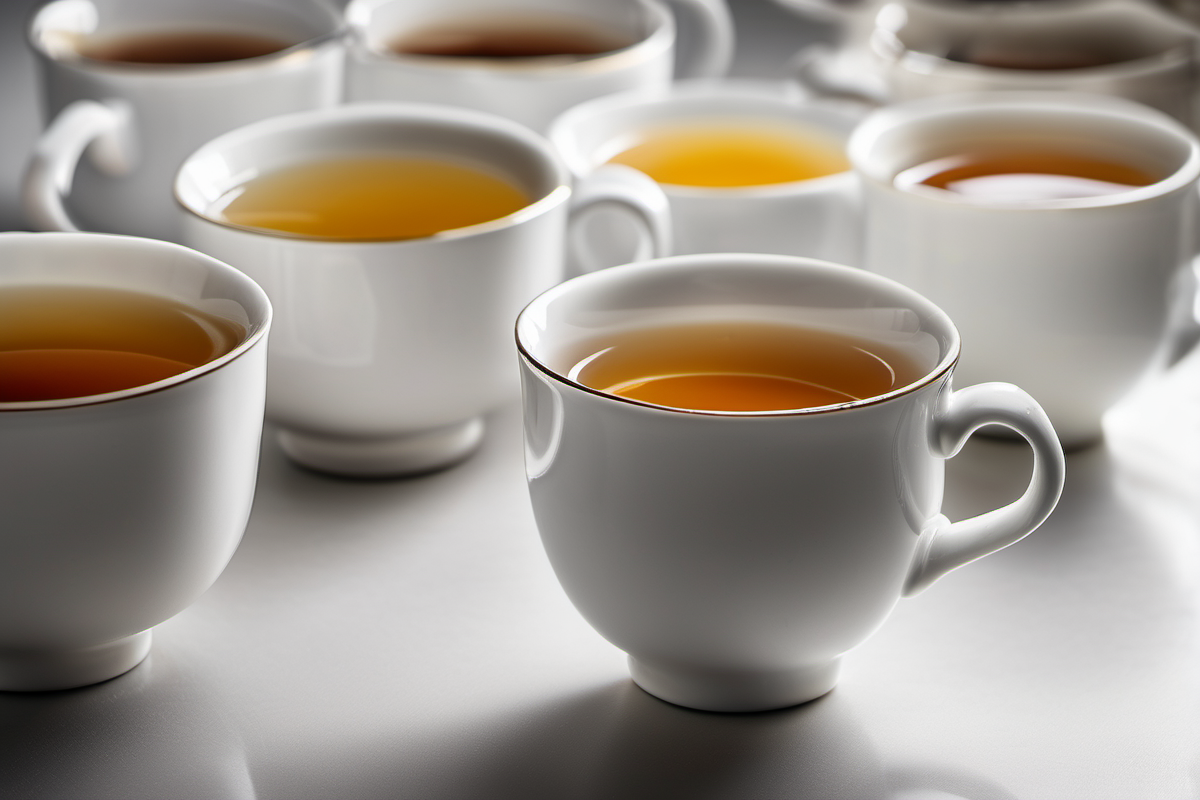
One of the biggest differences between good whole-leaf Chinese tea and ordinary tea bags is that whole leaf can be steeped many times — each infusion tastes different, unfolding new layers of flavor.
This guide explains how many times you can steep Chinese tea, and how to get the most out of your leaves.
Why Whole-Leaf Tea Can Be Re-Steeped
Whole leaves release their flavor gradually. Tea bags, by contrast, contain broken, dusty leaves that dump all their flavor (and bitterness) into the first steep — which is why they’re one-and-done.
Re-steeping isn’t just frugal — it’s often when the best flavors come out, especially with oolong and pu-erh.
How Many Steeps by Tea Type
| Tea type | Typical infusions |
|---|---|
| Green tea | 2–3 |
| White tea | 2–4 |
| Yellow tea | 2–3 |
| Oolong tea | 5–10+ |
| Black (red) tea | 2–3 |
| Pu-erh / dark tea | 8–15+ |
Rule of thumb: the more oxidized, roasted, or aged the tea, the more infusions it can handle. Tightly rolled oolongs and aged pu-erh are the re-steeping champions.
How to Re-Steep Properly
- Always pour out every drop after each steep — leaving water on the leaves over-extracts them and ruins the next round.
- Add 5–10 seconds to each subsequent infusion (or slightly increase the temperature).
- Keep the leaves in the gaiwan/pot between steeps with the lid slightly off, so they don’t “cook.”
- When the flavor fades, you can extend the steep time significantly for a final gentle infusion.
- Gongfu style: many short steeps (10–30 seconds) — the traditional way to enjoy multiple infusions.
- Western style: fewer, longer steeps — you’ll still get 2–3 good cups from quality leaf.
- The flavor becomes thin and watery.
- The leaves have fully unfurled and look “spent.”
- The color of the brew is nearly clear.
Gongfu vs. Western Re-Steeping
Signs Your Tea Is Done
Bottom line: quality whole-leaf Chinese tea is meant to be steeped multiple times — with oolong and pu-erh, the second and third infusions are often the best ones.
1 thought on “How Many Times Can You Steep Chinese Tea?”