Category: Tea Types (3) + Buying & Storage (5)
Tags: chinese tea skin, tea skin benefits, egcg skin, green tea skincare, anti-aging tea, chinese tea antioxidants, tea polyphenols skin, white tea skin, topical tea skincare, green tea face
If you’ve ever seen “green tea extract” in a skin-care product and wondered whether drinking tea has the same effect as applying it to your face — short answer: it’s complicated. Tea has real antioxidant and anti-inflammatory compounds that affect skin, but the dose you drink and the dose you apply are very different stories.
This guide is what I’d send a friend who’s curious about tea and skin health. We’ll cover which Chinese teas have the best evidence for skin benefits, the difference between oral and topical use, what anti-aging claims are actually supported, and a realistic take on what tea can and can’t do for your skin.
The Quick Answer
The Chinese teas with the most evidence for skin benefits are green tea and white tea, primarily because of their high polyphenol content (especially EGCG and other catechins). The effects are real but modest:
– Drinking tea delivers antioxidants that protect against UV damage and slow collagen breakdown
– Topical application (compresses, baths, masks) is more directly effective for specific skin concerns
– “Anti-aging” claims are mostly about slowing the rate of damage, not reversing existing wrinkles
Realistic expectation: tea as part of a comprehensive skin-care routine (sun protection, hydration, sleep, diet) is a 5-10% incremental benefit, not a magic bullet. If you’re a tea drinker, your skin is already getting most of the benefit just from your daily cups.
What’s Actually in Tea That Affects Skin
1. Polyphenols and Catechins
The most studied tea compounds for skin health:
| Compound | Source | Skin effect |
|---|---|---|
| EGCG (epigallocatechin gallate) | Green tea, matcha | UV protection, anti-inflammatory, antioxidant |
| Catechins (other) | Green, white, oolong | Free radical scavenging, collagen protection |
| Theaflavins | Black tea, pu-erh | UV protection, anti-aging |
| L-theanine | All tea | Stress-related skin benefits (cortisol, sleep) |
| Caffeine | All tea | Cellulite reduction (topical), constricts blood vessels |
EGCG is the star. Multiple in vitro and animal studies show EGCG:
– Inhibits collagenase (the enzyme that breaks down collagen)
– Reduces UV-induced DNA damage in skin cells
– Decreases inflammation markers
– Inhibits melanin production (potentially lightening hyperpigmentation)
2. Tannins and Polyphenols (Astringent)
Tea tannins have a mild astringent effect on skin — they tighten and tone temporarily. This is why some people use cooled tea as a face rinse or toner.
3. Caffeine (Topical Effects)
Topical caffeine in skin care products:
– Constricts blood vessels (reduces under-eye puffiness temporarily)
– Has antioxidant effects
– May inhibit the activity of a key enzyme in cellulite formation (in high concentrations)
The amounts in brewed tea are too low for these effects; you’d need a concentrated caffeine serum for skin.
4. Anti-Inflammatory Compounds
Multiple tea compounds reduce systemic inflammation. Since chronic low-grade inflammation contributes to skin aging, this is one mechanism by which regular tea consumption may help.
Oral vs. Topical: What the Evidence Actually Shows
This is the key distinction most guides miss.
Oral Tea Consumption (Drinking)
When you drink tea, the polyphenols are absorbed into your bloodstream and reach your skin via circulation. The dose that reaches your skin is modest — most are metabolized or excreted before reaching peripheral tissues.
What research shows for oral consumption:
– Reduced UV-induced skin damage in regular consumers
– Modest improvement in skin elasticity and hydration
– Possible reduction in markers of oxidative stress
– The full-body anti-inflammatory effect benefits skin too
Realistic expectation: Drinking 3-5 cups per day of green/white/oolong tea over months may add 5-10% to your skin’s resilience and appearance, on top of whatever your other habits are doing. It’s a small but real effect.
Topical Application (Direct Skin Contact)
When you apply tea compounds directly to skin, you deliver much higher local concentrations than oral consumption can achieve. The skin absorbs the compounds more effectively when applied as a serum, mask, or compress than when they reach it through circulation.
What research shows for topical application:
– EGCG applied directly to skin reduces UV damage markers within hours
– Topical green tea extract reduces sebum production in oily skin
– Some evidence for reducing inflammation in conditions like rosacea
– Tea compresses reduce under-eye puffiness (caffeine + astringent effect)
Realistic expectation: Topical tea applications can have more concentrated effects than oral consumption for specific concerns (puffiness, sebum, redness). But they’re also localized and temporary.
The 4 Best Chinese Teas for Skin
1. Green Tea (Highest EGCG)
Why it’s #1: Highest concentration of EGCG, the most studied tea polyphenol for skin health. Also contains other catechins that work synergistically.
For skin use:
– Drink 3-5 cups per day for the systemic antioxidant effect
– Use cooled green tea as a facial rinse (mild astringent, refreshing)
– Make a green tea compress for under-eye puffiness (cool, applied for 10-15 minutes)
– Look for skincare products with green tea extract as a top-5 ingredient
Brewing for skin: 80°C (176°F) water, 2-3 minutes western, or gongfu 30-60 seconds. The second steep is fine for skin use but slightly less potent.
2. White Tea (Highest Antioxidant Multiplicity)
Why it’s good: Studies have shown white tea extract to have the highest antioxidant capacity of any tea, even higher than green tea in some measurements. The flavone content is particularly high.
For skin use:
– Drink 3-4 cups per day for systemic effects
– White tea extract is increasingly available in premium skincare products
– Brewed white tea makes a gentler face toner than green tea (less astringent)
Caveat: White tea is the most expensive option for skin use if you’re also drinking it. If budget matters, green tea is a more cost-effective source of similar compounds.
3. Matcha (EGCG + Caffeine)
Why it’s good: You consume the whole leaf, getting much higher polyphenol doses than steeped teas.
For skin use:
– Drink 1-2 cups per day for systemic effects
– Mix a small amount of matcha with honey or yogurt for a face mask (5-10 minutes, rinse thoroughly)
– Higher EGCG than regular green tea, but also higher caffeine — be aware of that for evening use
4. Oolong (Theaflavins)
Why it’s good: Contains theaflavins (unique to oxidized teas) that have their own antioxidant effects, plus catechins from the partial oxidation.
For skin use:
– Drink 2-3 cups per day
– Less skincare research than green tea, but the compounds overlap
– A good alternative if you find green tea too grassy
What Tea Doesn’t Do for Skin
Marketing claims that have weak or no evidence:
- “Reverses wrinkles”: Tea antioxidants slow damage; they don’t reverse existing wrinkles. That requires retinoids, peptides, or in-office procedures.
- “Cures acne”: Tea has anti-inflammatory effects but doesn’t cure acne. Mild sebum reduction may help mild acne, but acne is multifactorial.
- “Whitens skin permanently”: EGCG inhibits melanin production in vitro. Real-world effect on skin tone is minimal.
- “Replaces sunscreen”: Tea antioxidants are a complement to sunscreen, not a replacement. Use SPF 30+ every day.
- “Anti-aging miracle cure”: Anti-aging is a multifactorial outcome. Tea is a small contribution.
How to Use Tea for Skin: A 4-Step Routine
Step 1: Drink Daily (3-5 cups)
This is the foundation. The systemic antioxidant effect compounds over weeks to months.
- Morning: 1-2 cups of green tea, matcha, or oolong
- Afternoon: 1 cup of green or white tea
- Evening: caffeine-free herbal if you want a ritual
Step 2: Topical Compresses (2-3x/week)
For under-eye puffiness or skin redness:
- Brew a strong cup of green or black tea (2 bags or 1 tablespoon loose leaf, 250 ml, 5 minutes)
- Cool to room temperature in the refrigerator
- Soak a clean cloth or cotton pads
- Apply to skin for 10-15 minutes
- Rinse with cool water, follow with moisturizer
Step 3: Tea Toner (Daily Optional)
For oily or combination skin:
- Brew a strong cup of green tea (one bag or 1 tsp per 100 ml)
- Cool completely
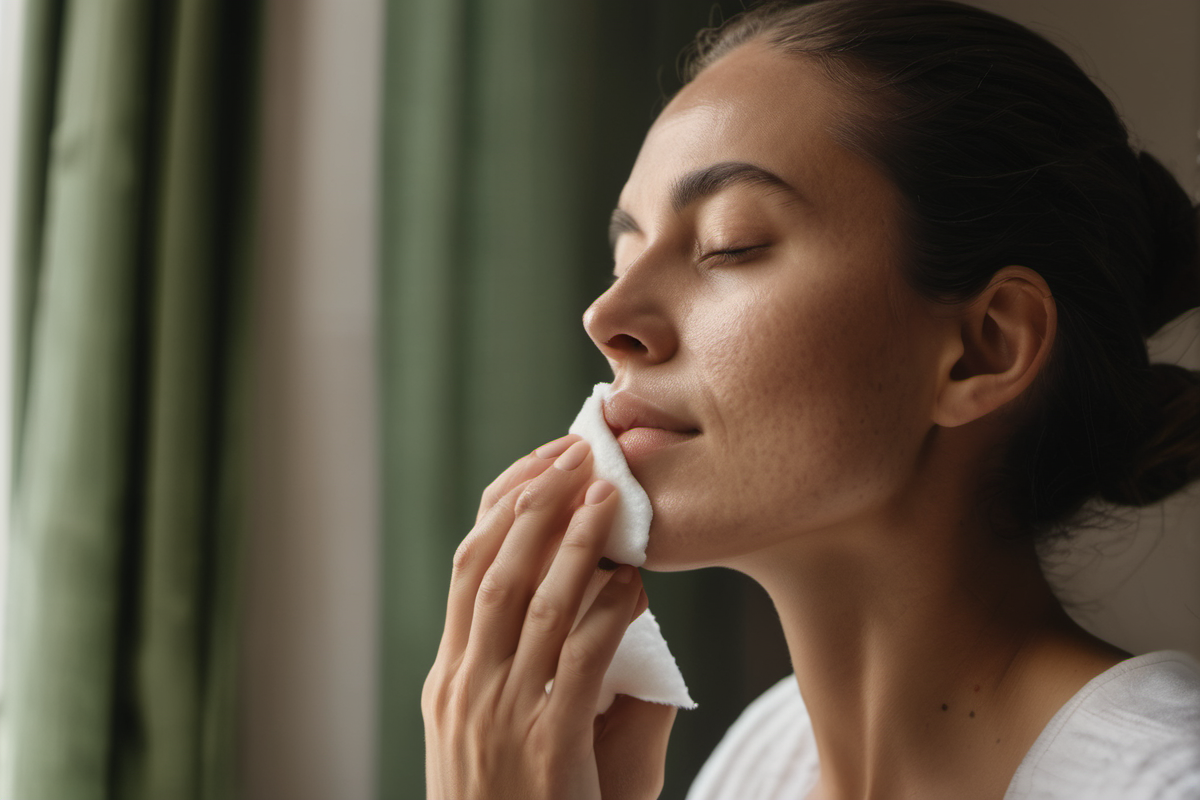
- Apply to clean face with cotton pad
- Let air dry, follow with moisturizer
- Can be done morning or night
Don’t overdo this — daily toner use may be too astringent for some skin types.
Step 4: Skincare Product Layer (Optional)
For targeted anti-aging:
- Look for products with green tea extract, EGCG, or white tea extract in the ingredient list
- Best when formulated with other antioxidants (vitamin C, niacinamide)
- Don’t replace sunscreen — layer them
What Tea Can’t Replace in a Skin-Care Routine
Tea complements but doesn’t replace the basics:
- Sunscreen: Daily SPF 30+ is non-negotiable for anti-aging
- Moisturizer: Hydration is the foundation of skin health
- Sleep: 7-9 hours of sleep, every night, for skin repair
- Hydration: Drinking water, not tea, for overall hydration
- Gentle cleansing: Don’t over-wash; barrier protection matters
- Retinoids (for serious anti-aging): Vitamin A derivatives are the gold standard for reversing photoaging
Special Considerations
If You Have Sensitive Skin
Test any topical tea application on a small patch first. Tea is mildly acidic (pH 4-6), which can irritate sensitive skin.
If You Have Acne
Tea (especially green) has anti-inflammatory and sebum-reducing properties. Avoid honey or sugar in any topical tea preparation — these feed bacteria.
If You Have Rosacea or Eczema
Tea is anti-inflammatory but can also be irritating. Test carefully. Green tea compresses (cooled, brief duration) may help.
If You’re Pregnant or Nursing
Tea consumption is fine in moderation (see our chinese tea during pregnancy guide). Topical application has no specific pregnancy concerns.
If You’re on Skin Medications
Some prescription topicals (retinoids, benzoyl peroxide) can interact with tea compounds. Apply at different times of day.
What the Research Says About Specific Skin Claims
| Claim | Evidence level | What it actually means |
|---|---|---|
| “Antioxidant protection” | Strong | Real but modest; compound effects |
| “Anti-aging” | Moderate | Slows damage rate; doesn’t reverse |
| “Anti-inflammatory” | Strong | Real systemic and topical effects |
| “Acne reduction” | Modest | Mild sebum effect; not a cure |
| “Hyperpigmentation lightening” | Weak in vivo | In vitro effects; real-world minimal |
| “Cellulite reduction” | Mixed | Some evidence for topical caffeine; modest |
| “Wrinkle prevention” | Moderate | Slows new wrinkle formation |
| “Skin cancer prevention” | Speculative | UV protection markers but no clinical proof |
For the broader health context of tea compounds, see our is Chinese tea good for you guide.
Frequently Asked Questions
Which Chinese tea is best for skin?
Green tea has the strongest research base. White tea has the highest antioxidant multiplicity. Both are good choices.
Does drinking tea really help skin?
Modestly, yes. The antioxidants reach skin via circulation, and 3-5 cups per day of green or white tea may add 5-10% to skin resilience over months.
Is topical or oral tea better for skin?
Topical delivers higher local concentrations for specific concerns (puffiness, redness). Oral gives systemic anti-inflammatory effects. Use both for full benefit.
Can tea remove wrinkles?
No. Tea antioxidants slow damage; they don’t reverse existing wrinkles. For wrinkle reversal, retinoids or in-office procedures are needed.
Can tea help with acne?
Modestly. Green tea reduces sebum and has anti-inflammatory effects. Tea isn’t a cure for acne — see a dermatologist for persistent acne.
Is matcha better than green tea for skin?
Higher EGCG per serving (you consume the whole leaf), so yes, marginally. But green tea is more cost-effective.
Can I drink tea and use skincare products with green tea extract?
Yes. Drinking tea gives systemic effects; topical products give localized effects. They complement each other.
Is cooled tea as good as a green tea toner?
Close, but not quite. Skincare products with green tea extract are formulated for skin absorption and contain specific concentrations. Brewed tea is more variable. Both have a role.
Can tea replace sunscreen?
No. Sunscreen is non-negotiable for skin protection. Tea antioxidants are a complement, not a replacement.
Is black tea good for skin?
Yes, less studied than green tea but theaflavins have antioxidant and anti-aging effects. A fine alternative if you prefer black tea.
Final Thoughts
Tea is one of many things you can do for skin health, and it’s a useful one. The biggest gains come from the basics: sunscreen, sleep, hydration, gentle skincare. If you’re already doing those, drinking 3-5 cups per day of green or white tea is a small but real additional boost.
The most important thing is consistency. A daily tea ritual that you actually enjoy will give you better skin and overall health than any expensive skincare routine you don’t stick with.
For the broader context of tea and skin from a science perspective, see our is Chinese tea good for you guide.
FDA disclaimer: This article is for informational purposes only and does not constitute medical advice. The statements regarding Chinese tea and skin health have not been evaluated by the Food and Drug Administration. Chinese tea is not intended to diagnose, treat, cure, or prevent any disease. Skin care requires a comprehensive approach including sun protection, hydration, and lifestyle factors. Consult a qualified dermatologist for personalized advice.