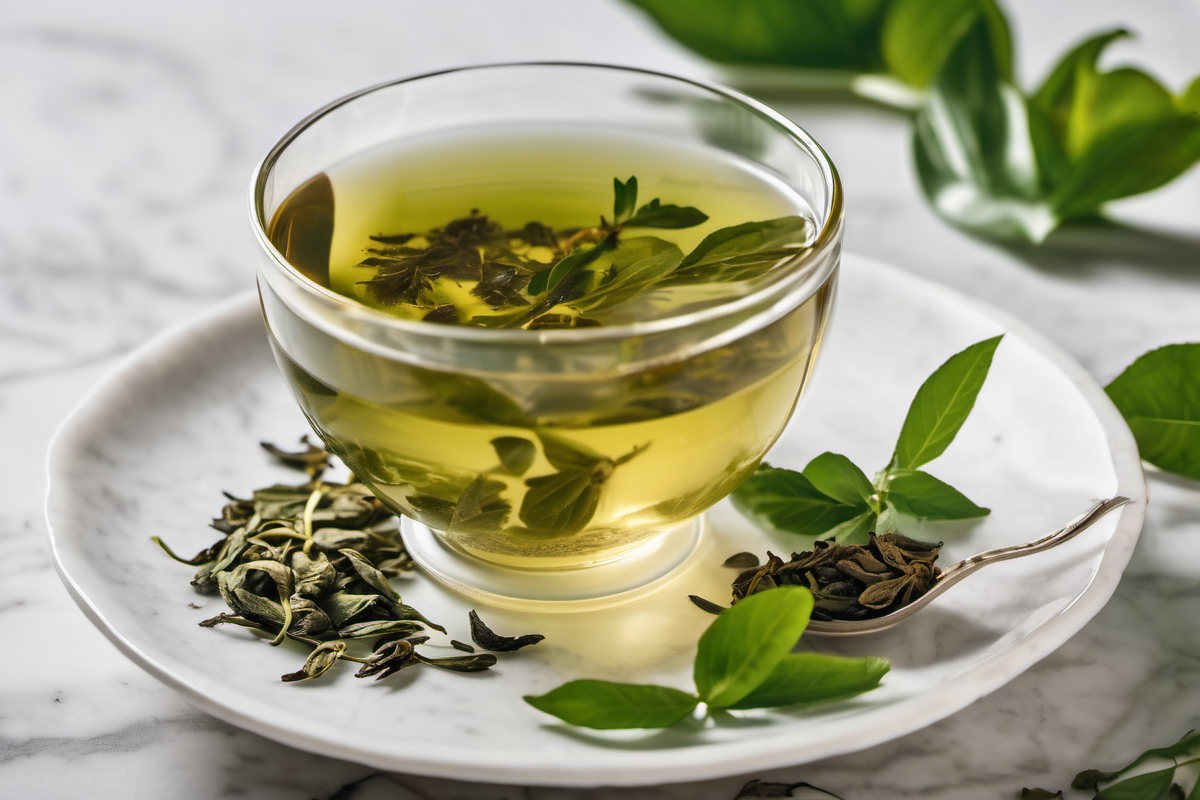
Chinese tea has been used as medicine for over a thousand years. Modern research has spent decades trying to figure out which of those traditional claims hold up. The honest answer: some do, some are overstated, and a few are still being investigated.
This guide walks you through what the science actually says about Chinese tea and health — what it can credibly do, what it probably can’t, and which tea type to drink for which goal. We’re not going to oversell. We’re also not going to undersell.
If you’re new to the six tea categories, see our types of Chinese tea guide. For the caffeine question, see our caffeine in Chinese tea guide.
The 30-Second Answer
The most credible health benefits of regular Chinese tea drinking are:
- Cardiovascular protection — modest reductions in LDL cholesterol, blood pressure, and cardiovascular mortality with regular consumption (3+ cups daily) over years
- Antioxidant and anti-inflammatory effects — driven primarily by catechins (green and white tea) and theaflavins (black tea)
- Cognitive function — modest protection against age-related cognitive decline; the L-theanine + caffeine combination may improve attention and reaction time
- Dental and oral health — tea polyphenols inhibit cavity-causing bacteria; fluoride content supports enamel
- Metabolic support — small improvements in insulin sensitivity and blood sugar response
The most overhyped claims are:
- “Cures cancer” or “treats cancer” — no evidence tea replaces medical treatment
- “Significant weight loss” — small effects in some studies, but not a weight-loss solution
- “Detoxification” — vague and not scientifically meaningful; your liver does this regardless
- “Reverses chronic disease” — modest preventive effects, no evidence of reversal
The best framing: regular Chinese tea drinking is associated with slightly better long-term health outcomes, especially cardiovascular and cognitive. It’s not medicine. It’s a pleasant, mildly protective daily ritual.
The Key Compounds in Chinese Tea
To understand the benefits, you need to know what’s actually in tea beyond caffeine.
Catechins (Especially in Green and White Tea)
Catechins are a class of polyphenols that give green tea its characteristic astringency and bitter notes. There are four main types $TRAE_REF:
| Catechin | Concentration in green tea | Notes |
|---|---|---|
| EGCG (epigallocatechin gallate) | Highest | The most-studied; primary antioxidant effect |
| ECG (epicatechin gallate) | High | Related antioxidant activity |
| EGC (epigallocatechin) | Medium | Synergistic with EGCG |
| EC (epicatechin) | Medium | Less studied individually |
Catechins make up 60–80% of total tea polyphenols. Green tea is the richest source because it’s unoxidized; oxidation converts catechins into theaflavins and thearubigins (which give black tea its color and have related but different biological activity) $TRAE_REF.
Theaflavins and Thearubigins (Especially in Black Tea)
When catechins oxidize during black tea processing, they form theaflavins (orange-yellow) and thearubigins (dark red-brown). These compounds contribute to black tea’s color and have their own antioxidant, anti-inflammatory, and possible lipid-lowering properties.
L-Theanine (Amino Acid Unique to Tea)
L-theanine is an amino acid found almost exclusively in tea (also in some mushrooms). It crosses the blood-brain barrier and promotes alpha-wave brain activity — the same pattern seen in relaxed but alert meditation.
L-theanine is the reason tea gives a different kind of alertness than coffee: smooth, sustained, no jitters. It also softens caffeine’s spike-and-crash effect.
Caffeine
Already covered in our caffeine guide. Briefly: 15–70 mg per cup depending on tea type, with cognitive and metabolic effects at typical consumption levels.
Trace Minerals and Vitamins
- Fluoride: black tea especially, supports dental enamel (a few mg per liter)
- Manganese: small amounts
- Vitamin C: present in fresh green tea but destroyed by oxidation (so black tea has minimal vitamin C)
- Polyphenols and tannins: hundreds of distinct compounds, many still being characterized
Cardiovascular Health: The Best-Evidenced Benefit
The most consistent, well-replicated finding in tea research is modest cardiovascular protection from regular tea consumption.
What the Research Shows
- Lipid profile: 3+ cups daily of green or black tea associated with small reductions in total cholesterol (2–5%), LDL cholesterol (3–7%), and triglycerides, and small increases in HDL $TRAE_REF
- Blood pressure: regular tea drinkers have modestly lower blood pressure on average (2–4 mmHg systolic)
- Cardiovascular events: large observational studies show 8–15% lower risk of stroke and heart attack in regular tea drinkers vs non-drinkers
- Endothelial function: tea improves blood vessel dilation (flow-mediated dilation), a marker of cardiovascular health
- Inflammation markers: tea consumption lowers C-reactive protein (CRP) and other inflammatory markers
How Big Are These Effects?
Honest framing: the protective effects of tea on cardiovascular health are real but modest. Tea is not a substitute for blood pressure medication, statin therapy, or other proven interventions. Think of it as a small but consistent protective factor alongside diet, exercise, sleep, and stress management.
Which Tea Is Best for Heart Health?
Based on the catechin content, green tea has the strongest direct evidence. Black tea’s theaflavins are also protective but studied less. White and oolong are intermediate. There’s no convincing evidence that one type is dramatically better than another for heart health.
Cognitive Function: Solid Mid-Tier Evidence
Multiple large cohort studies show that regular tea drinking is associated with reduced risk of cognitive decline and dementia, including Alzheimer’s disease.
What’s Behind This
- EGCG and theaflavins protect neurons from oxidative damage
- L-theanine + caffeine improve attention, reaction time, and mood acutely
- Anti-inflammatory effects in the brain may slow neurodegenerative processes
- Improved cerebral blood flow from mild caffeine + L-theanine combination
The Acute Effects (How Tea Affects You Today)
30–60 minutes after drinking tea:
– Improved attention and focus (caffeine + L-theanine)
– Better reaction time
– More relaxed alertness (L-theanine moderates caffeine jitter)
– Modest mood lift
These effects are real and reproducible. They’re also why many people prefer tea to coffee for sustained work.
The Long-Term Effects
Large prospective studies suggest 20–30% lower risk of cognitive decline in regular tea drinkers. This is observational, so other lifestyle factors may contribute — but the association is consistent across studies.
For more, see our caffeine in Chinese tea guide for the alertness picture.
Metabolic Health: Small but Consistent Effects
Blood Sugar Control
Tea — particularly green tea — has been studied for blood sugar effects:
- Post-meal blood sugar spike: green tea extract reduces post-meal glucose by 10–15% in some studies
- Insulin sensitivity: small improvements in fasting insulin and HOMA-IR (a marker of insulin resistance)
- Type 2 diabetes risk: regular tea drinkers have 10–20% lower risk in cohort studies
The mechanism is partly the catechins, which appear to slow carbohydrate absorption and improve insulin signaling.
Weight Management
This is the most overhyped area. Honest summary:
- Acute thermogenesis: catechins + caffeine modestly increase metabolic rate (4–5% in some studies)
- Modest fat oxidation: small increases in fat burning during exercise
- Real-world weight loss: small, often not clinically meaningful. Studies of 12-week green tea extract show 1–2 kg additional weight loss vs placebo, mostly in already-overweight subjects
- No magic: green tea extract is not a substitute for diet and exercise
If you’re drinking tea as part of an overall healthy lifestyle, the small metabolic boost is a bonus. If you’re drinking it hoping for significant weight loss, you’ll be disappointed.
Cancer Prevention: Promising but Unproven
The most contradictory research area. Lab studies are encouraging; human trials are mostly disappointing.
What Lab Studies Show
In cell cultures and animal models, tea catechins (especially EGCG) show:
- Inhibition of tumor cell growth in many cancer types
- Antioxidant protection against DNA damage
- Anti-angiogenic effects (blocking tumor blood supply)
- Induction of apoptosis (programmed cell death) in cancer cells
What Human Trials Show
- Observational studies: regular tea drinkers have modestly lower risk of some cancers (ovarian, endometrial, colorectal) but results are inconsistent
- Randomized trials: green tea extract supplements have not consistently prevented cancer in high-risk populations
- Topical application: green tea extracts show some promise for skin cancer prevention when applied directly
Honest Bottom Line on Cancer
Tea probably has small preventive effects against some cancers, especially when consumed regularly over decades. It is not a treatment for cancer, and green tea extract supplements should not be used as a substitute for medical care. If you have cancer or high cancer risk, follow your doctor’s recommendations.
Oral and Dental Health: Real, Underappreciated
This is one of the most underpublicized benefits. Chinese tea (especially black and green) supports oral health in several ways:
What Tea Does
- Antibacterial action: tea polyphenols inhibit Streptococcus mutans and other cavity-causing bacteria
- Fluoride content: black tea especially contains natural fluoride (1–4 mg/L), which strengthens tooth enamel
- Anti-inflammatory effects: reduces gum inflammation and bleeding
- Halitosis reduction: catechins inhibit sulfur-producing bacteria that cause bad breath
Practical Implications
Drinking tea is associated with lower rates of cavities and gum disease in observational studies. That said, tea can also stain teeth over time — see our caveats below.
For our full guide to storing and drinking without ruining your teeth, see our brewing temperature guide for hot tea tips.
Immune Function: Modest Support
Tea polyphenols have antimicrobial and antiviral properties in lab studies:
- Green tea extracts show antiviral activity against influenza and some cold viruses in vitro
- EGCG inhibits bacterial growth including some antibiotic-resistant strains in lab studies
- Practical prevention: some Japanese studies suggest regular green tea drinkers have lower cold and flu incidence
The mechanism is partly antimicrobial and partly immune-modulating — but the effect is small and tea is not a substitute for vaccines or medical treatment.
Liver Health: Encouraging but Early
Several observational studies link regular tea consumption with:
- Lower rates of non-alcoholic fatty liver disease (NAFLD)
- Improved liver enzyme markers in mild cases
- Reduced risk of liver cancer (especially in moderate drinkers)
This is a developing area of research. Green tea in particular shows promise, but more long-term human trials are needed.
What Tea Definitely Won’t Do
To balance the picture, here’s what tea is not going to do, despite what wellness marketing suggests:
| Claim | Reality |
|---|---|
| “Cures cancer” | No evidence. Not a substitute for treatment. |
| “Detoxifies your body” | Vague and meaningless. Your liver does this regardless. |
| “Reverses diabetes” | Modest prevention; no evidence of reversal. |
| “Cures depression” | Small mood benefits; not a substitute for therapy or medication. |
| “Burns fat fast” | Modest metabolic effects; not significant for weight loss. |
| “Detoxes heavy metals” | Limited evidence; some chelation properties in lab studies only. |
| “Reverses aging” | Antioxidant effects may slow some aging markers; not a fountain of youth. |
| “Replaces water” | Tea is mostly water but is mildly diuretic; drink water too. |
| “Prevents COVID-19” | No evidence. |
How Much Tea Do You Need to Drink?
For most of the studied benefits, the dose is roughly:
- 3–5 cups per day (about 600–1200 ml total) of regular-strength tea
- Long-term consistency matters more than occasional heavy drinking — years of daily consumption show stronger associations than weeks
- Hot or cold both count — cold brew delivers similar catechins, sometimes with less caffeine
The evidence is strongest for 3+ cups daily over years. Drinking tea occasionally still has benefits, just smaller.
Which Tea Type Is “Healthiest”?
Different teas have different compound profiles, but no single type is dramatically better than others for overall health.
| Tea type | Best-studied compounds | Best-evidenced benefits |
|---|---|---|
| Green tea | EGCG, EGC, other catechins | Cardiovascular, metabolic, cognitive, weight |
| White tea | Same catechins as green (less processed) | Antioxidant, possibly slightly higher in some compounds per gram |
| Oolong tea | Mixed catechins and theaflavins | General benefits; less specific evidence |
| Black tea | Theaflavins, thearubigins | Cardiovascular, dental, possibly lipid-lowering |
| Pu-erh | Variable; microbial metabolites | Some lipid-lowering evidence; less studied |
| Yellow tea | Similar to green | Similar to green (very limited research) |
Honest answer: drink what you enjoy. The differences between tea categories for health are smaller than the difference between “regularly drinking tea” and “not drinking tea.” Choose the type that you’ll drink consistently.
For more on this, see our types of Chinese tea guide.
Things Tea Can Do That Aren’t Always Listed
Mindfulness and Ritual
The slow, sensory experience of brewing tea — heating water, weighing leaves, watching leaves unfurl, smelling the liquor, sipping slowly — is itself a health practice. Regular mindful rituals reduce stress, support digestion through parasympathetic activation, and create a daily pause.
This isn’t research, but it’s a real effect that many drinkers report.
Hydration
Tea is mostly water. Yes, caffeine is mildly diuretic, but at typical tea doses the net effect is hydration. If you’re replacing sugary drinks with tea, the hydration improvement alone is meaningful.
Social and Cultural Connection
Tea drinking has social and cultural dimensions that affect wellbeing. Sharing tea with others, taking tea breaks at work, daily tea rituals with family — these contribute to mental and social health.
Practical Considerations
Tea Stains on Teeth
The tannins and polyphenols in tea can stain tooth enamel over time, especially with regular consumption of black tea. Solutions:
- Drink water after tea
- Use a straw for iced tea
- Rinse your mouth with water after drinking
- Get regular dental cleanings
The staining is cosmetic and not harmful to teeth — and the fluoride and antibacterial benefits outweigh the cosmetic concern.
Iron Absorption
Tea tannins can inhibit absorption of non-heme iron (the form in plant foods and supplements). To minimize:
- Wait at least 1 hour after iron-rich meals before drinking tea
- Add lemon or vitamin C-rich foods alongside your iron sources (vitamin C counteracts the inhibitory effect)
- If you’re iron-deficient, drink tea between meals rather than with meals
This is a real concern for people with iron-deficiency anemia or those on plant-based diets.
During Pregnancy
Most guidelines suggest limiting caffeine to under 200 mg daily during pregnancy. Tea fits within this, but stick to white tea, light green tea, or low-caffeine options. See our caffeine guide for details.
Medication Interactions
Some medications can interact with tea compounds:
- Blood thinners (warfarin): vitamin K in green tea can interfere; speak to your doctor
- Iron supplements: take 1+ hour apart from tea
- Some antibiotics: tea can reduce absorption of certain antibiotics (tetracyclines, fluoroquinolones)
- Stimulant medications: caffeine in tea adds to the stimulant load
If you’re on prescription medications, mention tea consumption to your doctor.
Heavy Metal Concerns
Some lower-quality Chinese teas have been found to contain trace heavy metals (lead, aluminum) from soil or processing. To minimize:
- Buy from reputable vendors who publish sourcing information
- Steep the first 30 seconds and discard (removes some surface contamination)
- Choose organic or tested-pure teas when available
- Avoid very cheap teas without sourcing transparency
This is a minor concern with quality teas but worth knowing.
The Honest Summary
Regular Chinese tea drinking is associated with modest improvements in long-term health outcomes, particularly cardiovascular and cognitive. The benefits are real but small compared to diet, exercise, sleep, and stress management.
Tea is a pleasant daily ritual that delivers mild protective effects over time. It is not medicine, will not cure diseases, and won’t replace healthy lifestyle choices. But as part of an overall healthy life, drinking good Chinese tea regularly is a reasonable, evidence-supported habit.
FAQ
Is green tea healthier than black tea?
Slightly, in specific ways. Green tea has more catechins (especially EGCG); black tea has more theaflavins and thearubigins. Both are protective. Green tea gets more research attention because its compounds are simpler, but black tea’s benefits are also well-documented.
Does tea detox your body?
No. “Detox” is a vague term that doesn’t map to a specific biological process. Your liver and kidneys handle detoxification regardless. Tea may support these organs indirectly through antioxidant effects, but it doesn’t actively “detox” anything.
How many cups of tea per day is healthy?
3–5 cups is the range associated with the strongest benefits in research. More than 5–6 cups can cause caffeine-related side effects (insomnia, anxiety, GI upset). Listen to your body.
Is tea better for you than coffee?
Different, not better. Tea has less caffeine, more L-theanine, and different polyphenol profiles. Coffee has its own benefits (some studies show coffee drinkers have lower all-cause mortality). Both are reasonable daily beverages. The choice is largely preference.
Can you drink too much tea?
Yes. Excessive tea drinking (8+ cups daily) can cause:
– Insomnia and anxiety from caffeine
– Iron-deficiency anemia from tannin-iron binding
– GI upset from tannins
– Possible fluoride overload from very high black tea consumption
Moderation matters. 3–5 cups is the sweet spot.
Should I take green tea extract supplements instead?
No. Whole green tea delivers catechins with hundreds of other compounds in balanced ratios. Green tea extract supplements concentrate EGCG at doses that can cause liver toxicity at high levels. Drink the tea; skip the supplements.
Does adding milk to tea reduce health benefits?
Probably slightly, yes. Milk proteins (casein) bind to tea catechins and can reduce their bioavailability. This is well-documented in lab studies. The effect is partial — black tea with milk is still beneficial, just less so than black tea without milk.
If you drink milk tea for cultural or taste reasons, the difference is small. If you’re drinking tea specifically for catechin-driven benefits, drink it without milk.
Is bottled or iced tea from stores as healthy as fresh-brewed?
Usually less. Bottled teas often have:
– Added sugar (major issue)
– Lower polyphenol content (compounds degrade over time)
– Fewer fresh-leaf compounds
If you buy bottled tea, look for unsweetened, freshly brewed options. Or just brew at home — it’s cheaper and better.
Are expensive teas healthier than cheap ones?
Not necessarily. What matters more is the freshness, leaf quality, and proper brewing. A $20 fresh, properly stored Chinese green tea will deliver more catechins than a $200 poorly stored one. Buy from vendors with high turnover and good storage practices.
Further Reading
- Types of Chinese Tea: Complete Guide — what each of the six categories actually is
- How Much Caffeine Is in Chinese Tea? — caffeine numbers and effects
- How to Brew Chinese Tea (Complete Guide) — proper brewing for best extraction
- Chinese Tea Brewing Temperature Guide — how temperature affects extraction
- How to Make Iced Oolong Tea — cold brew for less caffeine, similar benefits
- What Is Green Tea? — broader category context
- How to Buy Chinese Tea (Beginner’s Guide) — finding good-quality tea
6 thoughts on “Is Chinese Tea Good for You? Health Benefits Explained (Honest Version)”