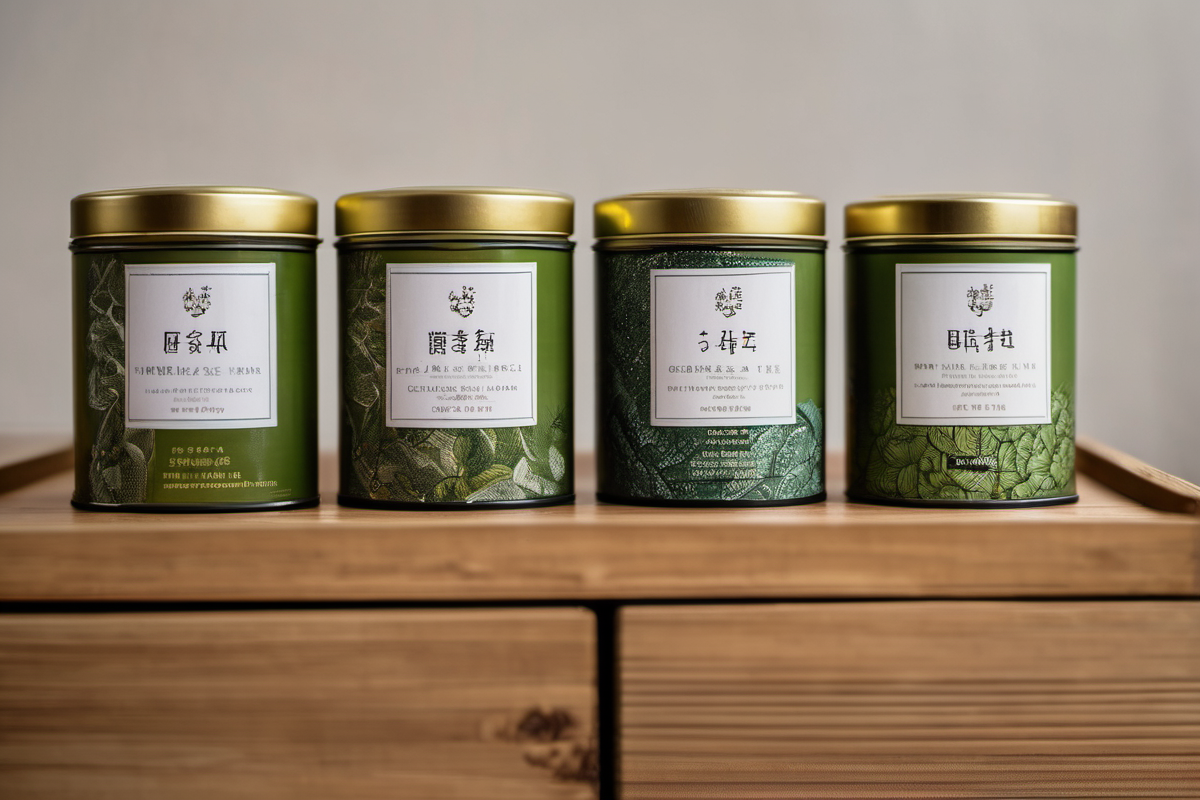
If you’re new to Chinese tea, the choices can feel overwhelming. There are six categories, dozens of famous varieties, and conflicting advice everywhere. This guide gives you a clear starting point: which tea to try first based on what you already like, which to skip for now, and how to build a small collection that covers the spectrum without buying too much too soon.
By the end, you’ll know exactly which 3–5 teas to order for your first month.
If you want the broader category overview first, see our types of Chinese tea guide. For brewing fundamentals, see our complete Chinese tea brewing guide.
The 30-Second Answer
If you can only try one tea as your first Chinese tea:
| Choose this | If you… |
|---|---|
| Tieguanyin (modern green-fresh) | Already like green tea, white tea, or aromatic wines. Want something easy to brew, light, refreshing. This is the most common answer. |
| Longjing (Dragon Well) | Want something clean, nutty, classic, and very easy to brew in a glass cup. |
| Silver Needle | Want the gentlest, lowest-caffeine option. Are caffeine-sensitive or planning to drink later in the day. |
If you can buy 3 teas to cover the spectrum in your first month:
| Tea | What it teaches you |
|---|---|
| Tieguanyin (green-fresh Anxi) | Floral, light oolong — what “oolong” can taste like |
| Longjing | Pan-fired green tea — vegetal, nutty, the classic Chinese green |
| Da Hong Pao (mid-range blend) | Roasted rock oolong — what “deep” oolong tastes like |
| This combination covers green tea + light oolong + roasted oolong in one purchase. After these three, you’ll know which direction to explore. |
If you want to build a small starter set that covers all six categories, see the section at the end.
A Simple Decision Tree
Answer these questions in order to find your first tea.
Question 1: What Do You Already Drink?
This is the fastest way to find your first Chinese tea — match to what you already enjoy.
| You usually drink… | Try first |
|---|---|
| Green tea, light white wine, jasmine tea | Tieguanyin (green-fresh) or Longjing |
| Black tea, coffee, smoky whisky, dark beer | Da Hong Pao (mid-range blend) or Keemun black tea |
| White tea, very light floral flavors | Silver Needle or White Peony |
| Oolong tea already (Taiwanese, supermarket) | Tieguanyin or Da Hong Pao — whichever you haven’t tried |
| Herbal tea only | White Peony — gentle, sweet, easy transition to real tea |
| Coffee only, no tea experience | Tieguanyin (light, easy to drink, less bitter than coffee) |
Question 2: What Time of Day?
| Drink tea mostly… | Pick this |
|---|---|
| Morning | Almost anything — green, oolong, black, pu-erh |
| Afternoon | Oolong, green tea, white tea (avoid high-caffeine black tea late afternoon) |
| Evening | White tea only (Silver Needle is lowest caffeine) |
For details on caffeine per tea, see our caffeine in Chinese tea guide.
Question 3: Hot or Cold Weather?
| Drinking context | Best tea types |
|---|---|
| Hot summer day | Light oolong, green tea, white tea — refreshing, aromatic |
| Cold winter day | Roasted oolong (Da Hong Pao), ripe pu-erh — warming, full-bodied |
| Year-round daily drinker | A light oolong or green tea — versatile for any weather |
Question 4: Single-Cup or Group Brewing?
| Brewing for… | Best approach |
|---|---|
| Yourself, one cup at a time | Western mug method works for almost any tea |
| Yourself, slowly with multiple steeps | Gongfu with a 100–150 ml gaiwan — best for oolong, pu-erh, white |
| 2+ people | Slightly larger gaiwan (150 ml) or small teapot |
For details on gaiwan vs teapot, see our comparison guide.
The Best Chinese Teas for Beginners, by Category
Here’s a tea-by-tea recommendation for each of the six categories, with specific varieties and what each teaches you.
Green Tea: Longjing (Dragon Well)
What it is: Pan-fired green tea from Hangzhou, with flat sword-shaped leaves and a chestnut-nutty flavor.
Why it’s great for beginners:
– Easy to brew (glass cup method works perfectly)
– Forgiving if slightly over-steeped
– Iconic, recognizable flavor
– Available widely in good quality
What you’ll taste: Toasty, chestnut, slightly vegetal, sweet finish.
Where to start: Mid-range Longjing ($20–40 for 50g) from a reputable vendor. Avoid “pre-Qingming” Longjing on your first purchase — it’s expensive and the difference vs mid-range isn’t obvious to a new palate.
Brewing: See our how to brew Longjing guide.
White Tea: Silver Needle (Baihao Yin Zhen)
What it is: Bud-only white tea, the gentlest and least processed of all Chinese teas.
Why it’s great for beginners:
– Smoothest, least bitter option
– Naturally sweet — no sugar needed
– Lowest caffeine of any Chinese tea
– Beautiful to watch unfurl in a glass
What you’ll taste: Honey, fresh hay, light melon, soft sweetness.
Where to start: Mid-range Silver Needle ($15–30 for 50g). Fuding origin is the most accessible. See our how to brew Silver Needle guide for details.
Yellow Tea: Yellow Buds (Huang Ya) or Junshan Yinzhen
What it is: Rare category — slightly oxidized and “sealed yellowed” green tea.
Why it’s harder to recommend: Yellow tea is genuinely hard to find in good quality outside China. If you find a reputable source, try it; if not, skip for now and come back later. Green tea gives you a similar flavor profile.
Oolong Tea: Tieguanyin (Green-Fresh Style)
What it is: Lightly oxidized oolong from Anxi, Fujian — the modern floral style.
Why it’s great for beginners:
– Shows what makes oolong special (more aromatic than green, less bitter than black)
– Forgiving brewing with a wide acceptable range
– Beautiful rolled leaves that unfurl dramatically
– The most internationally recognized Chinese oolong
What you’ll taste: Orchid, creamy, sweet huigan finish.
Where to start: Mid-range Anxi Tieguanyin, autumn or spring harvest, $20–40 for 50g. See our how to brew Tieguanyin guide.
Black Tea: Keemun (Qimen Hongcha)
What it is: Fully oxidized “red tea” (hong cha) from Anhui Province, with a famous malty, cocoa-like flavor.
Why it’s great for beginners:
– Familiar profile for coffee and black tea drinkers
– Forgiving brewing parameters
– Widely available in good quality
– Caffeine closer to coffee, perfect morning switch
What you’ll taste: Cocoa, malt, honey, sometimes a hint of orchid.
Where to start: Mid-range Keemun ($15–30 for 100g). Yunnan Dianhong is a richer alternative if you want something bolder.
Pu-erh / Dark Tea: Ripe (Shou) Pu-erh
What it is: Pile-fermented Yunnan tea, smooth and earthy.
Why it’s great for beginners:
– No bitterness — even when brewed wrong, it tastes fine
– Smooth, easy-drinking
– Famous “tea stomach” comfort effect
– Available widely in cake form
What you’ll taste: Earth, dark wood, dried mushroom, sometimes cocoa or leather.
Where to start: A daily-drinking ripe pu-erh cake from a major factory like Dayi (Menghai). $15–30 for a 357g cake. See our best pu-erh for beginners guide for specifics.
The Teas to Skip for Now
Some famous teas aren’t ideal first-purchase choices. Here’s what to defer until you have more context.
Skip Until You Know You Like Oolong
- Da Hong Pao (premium zhengyan single-cultivar): expensive ($100+ for 50g), and the difference vs mid-range blends isn’t obvious to new palates
- Aged raw pu-erh (15+ years): same reason — premium pricing for subtle differences
- Aged Tieguanyin (heavy-roast nong xiang): harder to appreciate without comparing to the fresh version
- Yellow tea (specific named varieties): very hard to find in good quality outside China
Skip Because of Availability Issues
- “True” West Lake Longjing from protected origin: genuine article is expensive and rare; mid-range Longjing is just as good for learning
- High-end aged pu-erh: pricing varies wildly; you don’t yet know what aged pu-erh should taste like
- “Vintage” Dragon Well or Biluochun: most “vintage” green teas have lost their character
Skip Because of Brewing Difficulty
- Young raw pu-erh (1–3 years old): can be very bitter if brewed wrong; ripe pu-erh is friendlier
- Heavily-roasted yan cha: needs a clay teapot to show its best; better as a “second or third oolong”
A Recommended Starter Set
If you want to build a small collection that covers the major flavor profiles, here’s a 4–5 tea starter set under $100.
| Tea | Amount | Approx. price (USD) | What it teaches |
|---|---|---|---|
| Longjing (Dragon Well) | 50g | $25 | Classic green tea — vegetal, nutty |
| Silver Needle (Baihao Yin Zhen) | 50g | $25 | Gentle white tea — honey, soft |
| Tieguanyin (green-fresh) | 50g | $25 | Light floral oolong |
| Da Hong Pao (mid-range blend) | 50g | $30 | Roasted, mineral oolong |
| Total | 200g | ~$105 | One tea from each major category |
This gives you a different tea for every mood and teaches you what each category can do. As you discover preferences, you can deep-dive into specific categories.
If You’re on a Tighter Budget
For under $40 total:
| Tea | Amount | Price | Why |
|---|---|---|---|
| Longjing | 25g | $12 | Most accessible green tea |
| Tieguanyin | 50g | $20 | Most accessible oolong |
| Total | 75g | ~$32 | Covers green + light oolong |
This is the minimum reasonable starter set. It doesn’t include white or pu-erh, but those are easy to add later.
Buying Tips for Beginners
Start with Vendors Who Provide Sourcing Info
The best beginner-friendly vendors tell you:
- Origin (which region, which county)
- Harvest season (spring vs autumn vs summer)
- Grade (if applicable)
- Cultivar (for oolong, especially)
- Brewing parameters for that specific tea
If a vendor doesn’t provide this, find another vendor.
Buy 25–50g Sample Sizes First
Don’t buy a 357g pu-erh cake as your first purchase unless you’re certain you want that specific tea. Start with 25–50g amounts of any new tea. Most teas stay fresh for 12+ months in a sealed pouch, so small amounts are fine.
Avoid “Tea Sets” With a Gaiwan
Cheap “tea sets” usually include a tiny, thick-walled gaiwan that’s hard to learn on. Buy the gaiwan separately — see our gaiwan buying guide.
Skip Multi-Pack “Sampler” Boxes of Low-Quality Tea
Many “try Chinese tea” sampler boxes include mediocre tea from multiple categories. They can teach you the wrong lessons about what tea should taste like. Better to spend $25 on one good tea than $25 on six mediocre ones.
For our full buying guide, see how to buy Chinese tea.
Storage for Beginners
The simplest rule for any tea you buy:
- Keep it sealed between uses — original foil pouch is fine; a tin is better
- Keep away from light — a kitchen cupboard, not a countertop
- Keep away from heat and moisture — never next to the stove or in the fridge (with rare exceptions for green tea)
- Buy small amounts frequently rather than stockpiling
Detailed storage by tea type is in our storage guide.
What Teaware You Need
For your first month, you can get away with surprisingly little:
| Item | Why | Budget |
|---|---|---|
| 100 ml porcelain gaiwan | Works for every Chinese tea | $15–25 |
| Glass mug or small pitcher | For Longjing glass-cup method | Already have one |
| Variable-temp kettle OR patience | Cooler water for green and white tea | $40–80 OR just boil and wait |
| Small kitchen scale | Gongfu ratios need precision | $10–15 |
That’s it. Skip the electric tea tray, the multiple cups, the matching storage tins — those can come later.
For the full teaware walkthrough, see essential teaware for gongfu tea.
What to Do After Your First Month
Once you’ve tried your first 2–3 teas, you’ll start to notice preferences:
If You Liked Longjing Best
You’re a green tea drinker. Branch out:
- Try other Chinese green teas (Biluochun, Huangshan Maofeng)
- Try Japanese sencha for comparison
- Consider aged green tea (rare but interesting)
If You Liked Silver Needle Best
You like gentle, sweet teas. Branch out:
- Try White Peony (Shou Mei, Gong Mei — older leaves, deeper flavor)
- Try light oolong (high mountain Taiwanese, light Anxi Tieguanyin)
If You Liked Tieguanyin Best
You like floral, aromatic teas. Branch out:
- Try other floral oolongs (Dong Ding, high mountain)
- Try a more roasted Tieguanyin style (nong xiang)
- Try light black tea (Keemun)
If You Liked Da Hong Pao Best
You like deep, complex teas. Branch out:
- Try other Wuyi rock teas (Rou Gui, Shui Xian, Qi Dan)
- Try ripe pu-erh
- Try aged raw pu-erh (5+ years)
If You Liked Ripe Pu-erh Best
You like earthy, smooth teas. Branch out:
- Try other dark teas (Liu Bao, Liu’an)
- Try aged raw pu-erh (5–10 years)
- Try white tea (interesting contrast)
The category you reach for first tells you where to go next.
Common Beginner Mistakes
Buying Too Much Too Soon
The biggest beginner mistake. Six teas bought at once will lose freshness before you finish them. Start with 2–3 teas in small amounts. Restock as you discover what you like.
Buying Without Knowing the Origin
“Chinese green tea” can mean anything from $5/kg bulk commodity tea to $500/kg premium Longjing. Origin, harvest season, and grade matter enormously. If the listing doesn’t tell you where it’s from, assume it’s lower-tier.
Brewing All Tea the Same Way
Different teas need different parameters. Brewing Longjing with boiling water makes it bitter; brewing Da Hong Pao with 80°C water makes it weak. Use our brewing temperature guide and individual brewing guides as references.
Giving Up After One Bad Cup
If a tea tastes bad, it’s often a brewing problem, not a tea problem. Before giving up on a tea, try:
– Different water temperature
– Shorter steep time
– Less leaf
– Different water source (filtered vs tap)
A tea that tastes bad in your cup might be wonderful when brewed correctly.
The Honest Truth About Getting Started
Most people who end up loving Chinese tea started with one tea they enjoyed, brewed it a few times, then gradually explored. There’s no perfect first tea — there’s only the first tea you’ll actually drink and enjoy enough to keep exploring.
If you’re stuck choosing between two, flip a coin. Either will teach you something. The best tea to start with is the one you’ll actually brew tomorrow morning.
FAQ
Which Chinese tea should I try first?
Tieguanyin (modern green-fresh) is the safest and most broadly appealing first choice. If you already know you love green tea, try Longjing. If you want the gentlest option, try Silver Needle. If you want a daily driver that’s deeply satisfying, try Da Hong Pao.
Is green tea or oolong better for beginners?
Both are excellent. Green tea is slightly easier to brew (more forgiving of mistakes). Oolong is more interesting because it sits between green and black tea, showing more complexity. If you can only pick one, oolong — but green tea is the safer choice if you’re very new.
What is the most popular Chinese tea?
Longjing (Dragon Well) is probably the most famous Chinese tea overall, particularly in China. Tieguanyin is more popular in international markets. Both are good choices for beginners.
How much should I spend on my first Chinese tea?
$15–30 for 50g is the right range. Less than $15 and quality is inconsistent; more than $30 and you’re paying for prestige you don’t yet know how to appreciate. Once you’ve brewed a few sessions and know you like the tea, you can spend more for premium versions.
Can I drink Chinese tea if I’m caffeine-sensitive?
Yes, with caveats. Choose white tea (lowest caffeine), brew it cool and short, and don’t drink after noon. See our caffeine in Chinese tea guide for details.
Do I need special teaware?
No — a regular mug and a kettle that can boil water is enough to start. A porcelain gaiwan makes gongfu brewing easier and works for every Chinese tea, but it’s not strictly required. See our gaiwan buying guide for when to upgrade.
Where should I buy Chinese tea?
Look for vendors who:
– Provide origin information
– Sell small amounts (25–50g)
– Have customer reviews with brewing notes
– Have been in business 5+ years
– Are transparent about sourcing and storage
Avoid vendors selling only “Chinese green tea” or “Chinese oolong” without specifying region, harvest, or grade.
How long does Chinese tea stay fresh?
- Green tea: best within 6–12 months of harvest; refrigerate for longer storage
- White tea: 1–2 years; some white teas improve with age
- Oolong (green-fresh): 12–18 months
- Oolong (roasted): 18–24 months; roast character fades with time
- Black tea: 2–3 years in good storage
- Pu-erh: years to decades; aging is part of the category’s appeal
Buy small amounts and use them within their prime window.
Can I order from China directly?
Possible but tricky. Shipping costs, customs duties, and quarantine regulations vary by country. For most beginners, working with a domestic vendor who imports is easier. If you do order from China, use a vendor with international shipping experience and understand your local import rules.
What if I don’t like any of these?
Try a different one. Seriously. The tea world is big, and your palate will change with experience. What seems bitter or strange at first becomes your favorite after a few months.
Further Reading
- Types of Chinese Tea: Complete Guide — all six categories
- How to Brew Chinese Tea (Complete Guide) — the foundational method
- How to Buy Chinese Tea (Beginner’s Guide) — vendor and sourcing tips
- How to Choose Your First Gaiwan — buying teaware
- Best Gaiwan for Beginners — vetted picks
- Essential Teaware for Gongfu Tea — the full starter kit
- Best Pu-erh Tea for Beginners — if you want to start with pu-erh
- How Much Caffeine Is in Chinese Tea? — caffeine numbers
- Is Chinese Tea Good for You? — honest health benefits
Categories: Tea Types, Buying & Storage
1 thought on “Best Chinese Tea for Beginners: Where to Start”