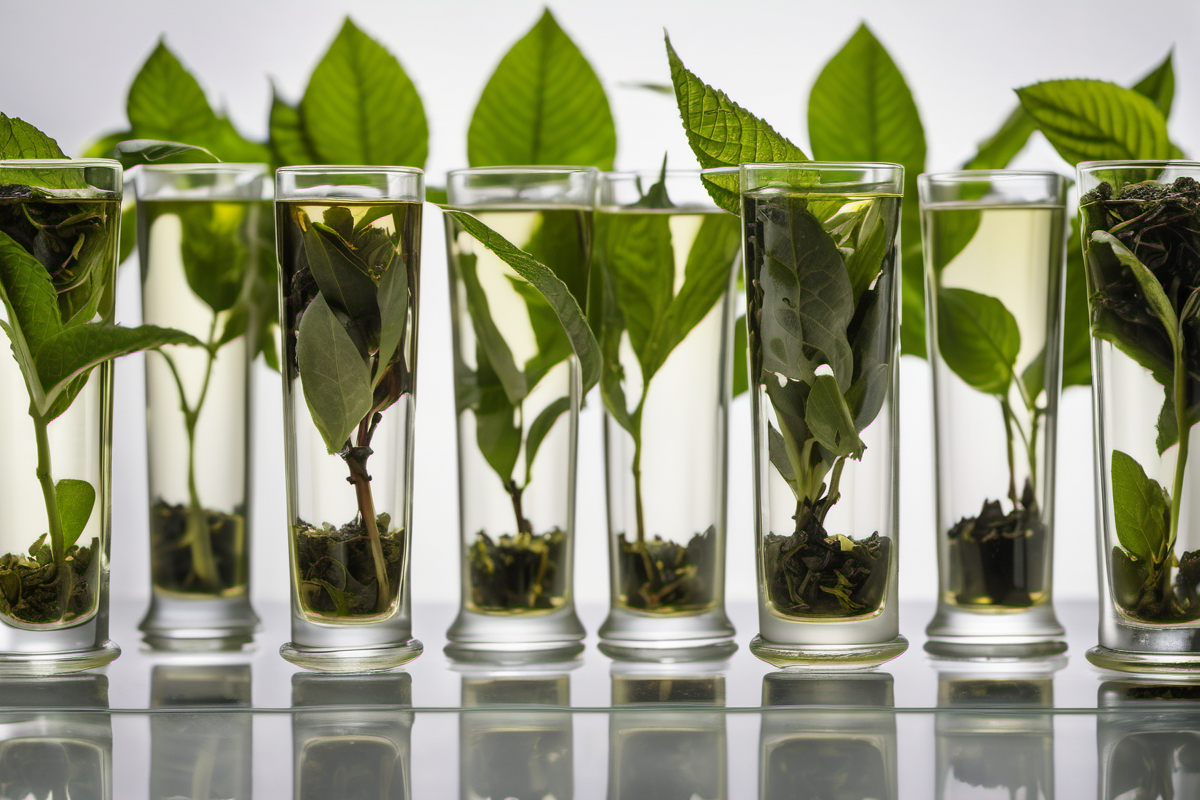
Green tea and oolong are two of the most popular Chinese teas — but they’re often confused. They come from the same plant and differ mainly in how much they’re oxidized, which changes everything about their flavor and brewing.
This guide breaks down the difference between green tea and oolong tea.
The Key Difference: Oxidation
Oxidation is what happens when tea leaves are exposed to air — the same process that turns an apple brown.
- Green tea: 0% oxidation — leaves are heated soon after picking to stop oxidation completely.
- Oolong tea: 10–80% oxidation — partially oxidized, giving it a huge range between green and black.
Flavor Profile
| Green Tea | Oolong Tea | |
|---|---|---|
| Flavor | Fresh, grassy, vegetal, slightly sweet | Floral to roasted, complex, aromatic |
| Body | Light and clean | Medium to full, can be creamy or toasty |
| Aroma | Fresh, marine, nutty | Floral, fruity, or roasted |
Caffeine
Both contain caffeine, and the exact amount varies more by specific tea than by category. As a rough guide, oolong tends to sit in the middle — generally a bit more than green, less than black — but a specific green can easily have more caffeine than a specific oolong.
Brewing Differences
| Green Tea | Oolong Tea | |
|---|---|---|
| Water temp | 160–180°F (cooler) | 185–205°F (hotter) |
| Steep time (western) | 1–3 minutes | 2–4 minutes |
| Infusions | 2–3 | 5–10+ |
| Best method | Western or gongfu | Gongfu (ideal) |
Why green tea is trickier: green tea is unforgiving with hot water — too hot and it turns bitter. Oolong is more forgiving and rewards multiple infusions.
Which Should You Choose?
- Choose green tea if: you like light, fresh, grassy flavors and want a simple everyday tea.
- Choose oolong if: you want complexity and aroma, and you’re interested in gongfu brewing.
Bottom line: green is fresh and simple; oolong is complex and aromatic. They’re both worth trying — start with a good Longjing (green) and a Tie Guan Yin (oolong) to taste the difference yourself.