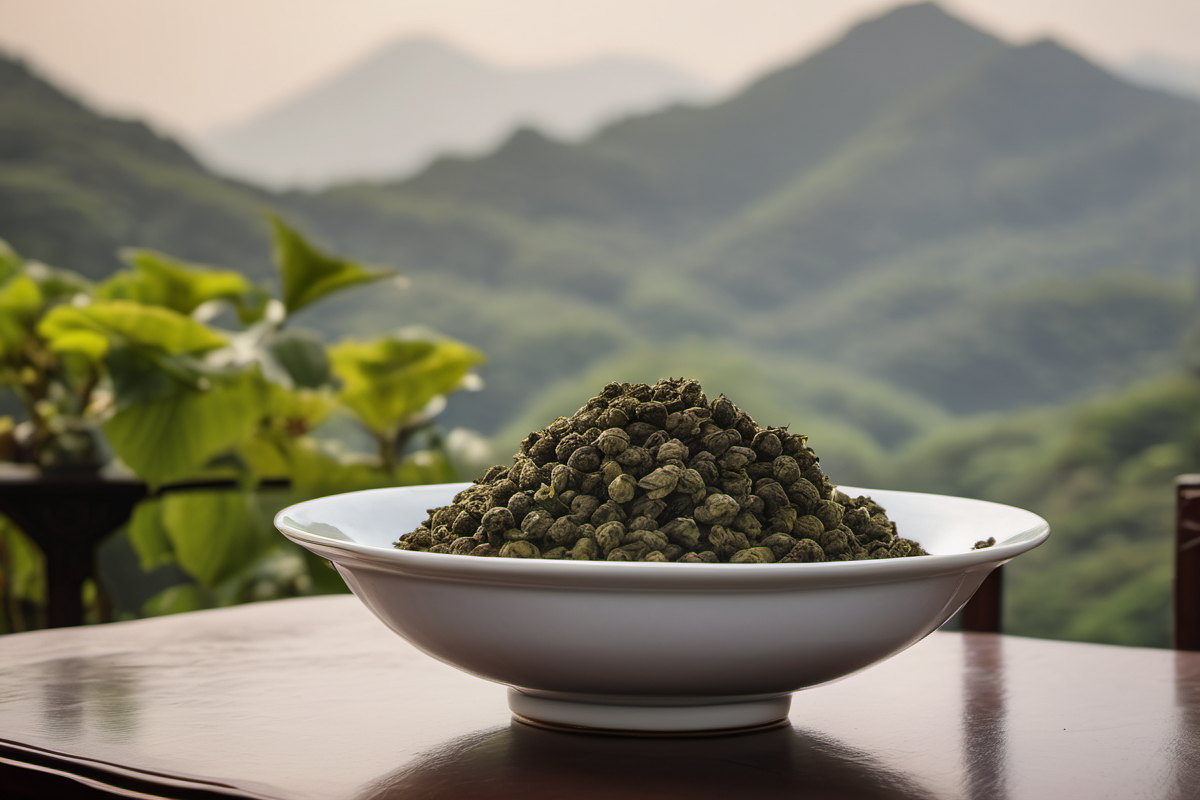
Oolong is the chameleon of the tea world — partially oxidized, it can taste floral and light or dark and roasted. If you’ve heard the name but aren’t sure what it actually is, this guide is for you.
This guide explains what oolong tea is, its two main styles, and why it’s the favorite of so many tea lovers.
What Is Oolong Tea?
Oolong (乌龙, “dark dragon”) is a partially oxidized tea — somewhere between green tea (unoxidized) and black tea (fully oxidized). Oxidation levels range from about 10% to 80%, which is why oolong spans such a wide range of flavors.
The Two Main Styles of Oolong
| Light (Green) Oolong | Dark (Roasted) Oolong | |
|---|---|---|
| Oxidation | Low (~10–30%) | Higher (~40–80%) |
| Flavor | Floral, creamy, fresh | Toasty, rich, mineral |
| Examples | Tie Guan Yin, Taiwanese high-mountain | Da Hong Pao, Wuyi rock oolong |
What Does Oolong Taste Like?
- Light oolongs: floral and buttery — think orchid, cream, and fresh greens.
- Dark oolongs: roasted and complex — notes of charcoal, honey, and stone fruit.
- Signature trait: a lingering, sweet aftertaste (“hui gan”) that fills the throat.
Why Tea Lovers Love Oolong
- Complexity: no two oolongs taste alike.
- Many infusions: rolled oolongs unfurl over 5–10+ steeps, each tasting different.
- Forgiving: harder to ruin than green tea, more interesting than basic black tea.
How to Brew Oolong
Oolong is the tea for gongfu brewing — use plenty of leaf, a quick rinse, and short steeps at 185–205°F depending on the roast. See our oolong brewing guide for the full steps.
Famous Oolongs to Know
- Tie Guan Yin (Iron Goddess) — the iconic floral oolong.
- Da Hong Pao (Big Red Robe) — legendary roasted Wuyi rock tea.
- Dan Cong — intensely aromatic single-bush oolongs.
- Taiwanese high-mountain — creamy, floral, buttery.
Bottom line: oolong is the most diverse tea category — if you like variety and aroma, it’s likely to become your favorite.
4 thoughts on “What Is Oolong Tea?”