Category: Tea Types (3) + Brewing (2)
Tags: chinese tea anxiety, calming tea, stress tea, gaba oolong, chinese tea stress relief, l-theanine, low caffeine tea anxiety, oolong anxiety, chamomile chinese tea, adaptogenic tea
If you’ve ever reached for tea specifically to calm down, you’ve probably noticed that “calming tea” is a category with a lot of marketing and not much clarity. Some of it actually works, a lot of it doesn’t, and the difference between a tea that genuinely takes the edge off and one that’s just branding is worth understanding.
This guide is what I’d send a friend who’s struggling with anxiety and wants to use tea as part of their toolkit. We’ll cover which Chinese teas have the best evidence for calming effects, what’s actually doing the work (it’s mostly L-theanine, GABA, and ritual — not the herbs), what to avoid, and how to build a daily tea practice that helps.
The Quick Answer
The Chinese teas with the best evidence for anxiety and stress relief are GABA oolong (high-GABA cultivars like GABA-rich Tieguanyin or GABA-enhanced oolong) and high-L-theanine green or white tea. The mechanisms are real: L-theanine increases alpha brain waves (associated with calm focus), GABA reduces neural excitability, and the ritual of tea brewing activates parasympathetic nervous system responses. Marketing claims about “stress relief tea” rarely deliver on the bioactive side, but the tea-as-ritual side works regardless.
The important caveat: tea is a supplement to anxiety management, not a substitute. If you have clinical anxiety, tea is one piece of a larger toolkit that may include therapy, medication, exercise, sleep, and diet. Don’t expect any tea to replace evidence-based treatment.
What’s Actually Happening When Tea Calms You
The calming effect of a cup of tea isn’t mystical — it’s three distinct mechanisms, each with different evidence levels.
1. L-Theanine (Strongest Evidence)
L-theanine is an amino acid found almost exclusively in tea (especially green and white). It crosses the blood-brain barrier and reaches meaningful concentrations within 30-40 minutes of drinking tea.
What it does in research:
– Increases alpha brain wave activity (associated with calm, focused attention — the same state experienced during meditation)
– Modulates GABA, serotonin, and dopamine
– Reduces the jittery effects of caffeine without reducing alertness (this is the famous “calm focus” tea drinkers describe)
– Mild anxiolytic effect in 4 of 5 randomized controlled trials on human subjects
Practical dose: 50-100 mg L-theanine has measurable cognitive effects. A cup of tea typically has 5-15 mg L-theanine. You’d need 5-10 cups per day to hit the studied dose — but the partial dose still contributes to the subjective effect.
Best sources: Green tea and matcha (highest L-theanine), white tea, light oolong.
For the broader view of how tea compounds interact with the brain, see our caffeine in Chinese tea guide.
2. GABA (GABA-Rich Oolong)
GABA (gamma-aminobutyric acid) is the brain’s main inhibitory neurotransmitter. Standard tea has very little GABA, but specific processing methods produce GABA-rich teas:
- Anaerobic (nitrogen-infused) processing: tea leaves fermented in low-oxygen environments produce significantly more GABA than aerobic processing
- GABA-rich cultivars: Some tea cultivars (e.g., specific GABA-Tieguanyin) naturally produce more GABA
- Repeated infusion + short steep: Extracts more GABA than long steeps (paradoxically, since GABA is water-soluble)
What it does in research:
– Mild reduction in blood pressure (modest effect)
– Subjective calm reported in several small Japanese and Taiwanese studies
– The effect is real but modest — GABA from tea doesn’t cross the blood-brain barrier as efficiently as GABA produced in the brain itself
Practical reality: GABA-rich oolong produces a noticeable subjective calming effect in many tea drinkers. Whether this is from GABA itself or from the L-theanine and ritual either way, the tea works.
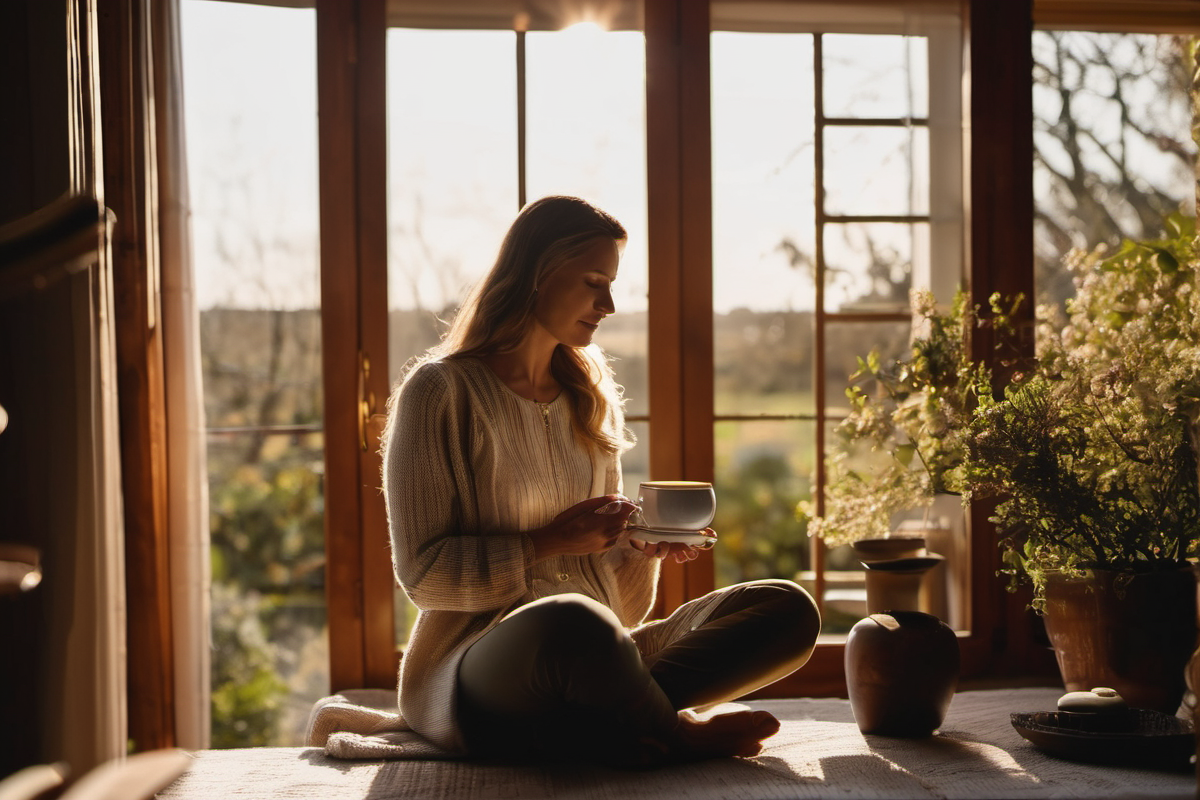
3. The Ritual Itself
This is the most underrated mechanism, and it’s the one that works regardless of which tea you choose.
What’s happening:
– Slow, deliberate brewing activates the parasympathetic nervous system (“rest and digest”)
– The sensory engagement (smell, warmth, taste) shifts attention away from worry
– A consistent daily practice creates predictability and calm
– Even 10 minutes of focused attention on something pleasant is anxiolytic
This is why even a “regular” cup of green or oolong tea can feel calming — it’s not just the compounds. The ritual is doing real work.
The 4 Most Effective Chinese Teas for Anxiety
1. GABA-Rich Oolong (Best Bet)
What to look for: Oolong specifically labeled “GABA oolong,” “anaerobic oolong,” “nitrogen-infused oolong,” or “GABA-rich Tieguanyin.” These are different from standard oolongs — they’re processed in oxygen-reduced environments that boost GABA production.
Flavor profile: Depends on the base tea. GABA Tieguanyin tastes like standard Tieguanyin (floral, vegetal). Anaerobic oolongs often have a distinctive “sour aged,” fruity note.
Where to buy: Yunomi carries several GABA-rich oolong options; specialty tea importers like Crimson Lotus Tea and Mei Leaf stock them seasonally.
Brewing: 90°C (195°F) water, gongfu 30 seconds first steep, add 10 seconds per subsequent steep. Five to seven steeps per session.
Expected effect: Mild subjective calm within 30-60 minutes of drinking. Most effective when combined with a 15-30 minute sitting ritual rather than rushed drinking.
2. Matcha (Strong L-Theanine + Caffeine Sweet Spot)
Matcha is a powdered green tea where you consume the whole leaf. This means significantly higher L-theanine (and caffeine) per serving compared to steeped green tea.
Why it’s effective for anxiety:
– 30-50 mg L-theanine per serving (vs ~5-15 mg in steeped green tea)
– L-theanine-to-caffeine ratio is approximately 2:1, the optimal ratio for “calm focus”
– Theanine smooths out the caffeine curve, reducing jitteriness
Brewing: 1-2 g matcha, 70-80°C water (don’t use boiling — it makes matcha bitter), whisk with bamboo chasen or small electric frother. Drink within 30 minutes of whisking.
Caveat for anxiety: If you’re caffeine-sensitive or have panic disorder, matcha may still be too stimulating. Start with a half-serving.
3. Light Oolong (Tieguanyin, Dancong)
Light oolongs combine:
– Moderate L-theanine (~10-15 mg per cup)
– Moderate caffeine (30-50 mg per cup)
– Floral, soothing flavor profile (subjectively calming)
– Lower astringency than green tea (less likely to trigger any stress response)
Brewing: 90°C water, gongfu 20-30 seconds first steep, 5-7 steeps. The repeated brewing is itself a calming ritual.
4. White Tea (Lowest Caffeine + Ritual Delivered)
White tea has the lowest caffeine of any true tea (25-35 mg per cup), lowest astringency, and a soft flavor profile that many find calming. For people whose anxiety is worsened by caffeine, white tea is the safer default.
Brewing: 80°C water, 3-4 minutes western, or gongfu 30 seconds first steep.
What to Avoid
1. Very Strong Black Tea or Pu-erh
These can spike blood pressure and trigger anxiety in sensitive individuals. Limit or skip entirely if you’re prone to anxiety.
2. Concentrated Matcha (More Than 2g Per Day)
Matcha is calming in moderate doses, but too much caffeine in any form can trigger anxiety. If you’re using matcha specifically for anxiety, stay at 1-2 servings per day maximum.
3. “Stress Relief” Herbal Blends Without Real Tea
Many commercial “stress relief” blends use only herbs with weak evidence for anxiety (chamomile, lemon balm, passionflower) and skip the L-theanine and GABA that make Chinese teas effective. If you want anxiety support, choose teas that contain real Chinese tea leaves plus calming herbs — not just herbs alone.
4. Sweetened Tea
Added sugar can worsen anxiety in some people. Avoid heavily sweetened versions (bubble tea, chai concentrates).
When Tea Works vs. When It Doesn’t
Tea can be a meaningful part of anxiety management in these cases:
- Mild to moderate situational anxiety (work stress, social anxiety, pre-event nerves)
- Generalized low-level stress that’s not a clinical disorder
- As part of a larger anxiety-management routine (sleep + exercise + therapy + tea)
Tea is not a substitute for treatment in these cases:
– Panic disorder
– Severe generalized anxiety disorder
– Anxiety with significant functional impact (can’t work, can’t sleep, can’t socialize)
If you have clinical anxiety, please work with a mental health professional. Tea can be a useful supplement, but it’s not a treatment.
Building a Daily Tea Practice for Anxiety
If you want to use tea for stress and anxiety relief, the structure matters more than the specific tea.
Morning Routine (15-20 minutes)
- Wake up
- Boil water, brew your first cup of the day (matcha, oolong, or white tea depending on caffeine tolerance)
- Sit somewhere quiet (no screens)
- Drink slowly over 10-15 minutes
- Notice the warmth, aroma, taste
Why it works: The first 30 minutes of the day set the tone for cortisol regulation. A calm, deliberate start beats a rushed, caffeinated, screen-lit start for anxiety.
Afternoon Reset (10 minutes)
- Around 2-4 PM, when afternoon fatigue and anxiety often hit
- Brew a small cup of oolong or white tea (lower caffeine than morning)
- Sit for 10 minutes without checking email or social media
Why it works: A midday pause resets the stress response. Even 10 minutes of intentional quiet helps.
Evening Wind-Down (Caffeine-Free or Very Low)
- After 6 PM, switch to caffeine-free options (rooibos, chamomile, peppermint) or very low-caffeine white tea
- Avoid tea with food
- Use the brewing ritual to signal end-of-day
Why it works: Caffeine’s half-life is 5-6 hours, so afternoon caffeine can disrupt sleep, which is one of the strongest triggers for anxiety. A wind-down routine signals your nervous system to shift to rest.
What the Research Says About Tea and Anxiety
There’s actual research, and it’s worth knowing what’s well-supported vs. speculative.
Well-supported:
– L-theanine reduces anxiety scores in 4 of 5 RCTs reviewed
– GABA from GABA-enriched foods modestly reduces blood pressure and subjective anxiety
– Mindful tea ritual reduces self-reported stress in multiple studies
Moderately supported:
– Regular tea drinkers have lower long-term anxiety scores than non-drinkers
– Theanine + caffeine combination improves cognitive performance under stress
Speculative / weak:
– Specific Chinese teas “calming your qi” or “balancing your energy”
– Anti-anxiety effects of specific compounds at typical dietary doses
Bottom line: The bioactives (L-theanine, GABA) are real and modestly effective. The ritual is more powerful than most people realize. Avoid overhyping the compounds and don’t expect any tea to substitute for treatment.
Common Mistakes with Tea for Anxiety
- Drinking caffeine too late. Most people underestimate caffeine’s half-life. If you’re using tea to calm down, the caffeine from 4 PM tea can worsen evening anxiety.
- Expecting one cup to fix chronic anxiety. Tea helps; it doesn’t replace treatment.
- Choosing the strongest, most expensive option. A simple cup of oolong brewed calmly beats a $50 GABA oolong gulped while answering email.
- Noticing no effect after one cup and giving up. Tea’s anxiolytic effects are cumulative and depend on regular practice.
- Drinking tea when anxious but not actually sitting with it. The ritual matters.
Pairing Tea with Other Anxiety-Management Practices
Tea works best when paired with other things that work:
- Sleep: A 30-60 minute consistent bedtime, dark room, no screens at night. Tea (caffeine-free) can be part of a wind-down routine.
- Movement: Daily 20-30 minute walk. Pair with an afternoon tea ritual.
- Therapy: If you have access, CBT is the most effective treatment for most anxiety disorders.
- Breathing: Box breathing (4-4-4-4) during tea drinking amplifies the parasympathetic activation.
- Social: Tea is a social ritual. Drinking with others (tea ceremony, sharing tea with friends) adds a community dimension.
Frequently Asked Questions
Does Chinese tea actually help with anxiety?
Modestly, yes. The bioactives (L-theanine, GABA) and the ritual both contribute. Tea is not a substitute for treatment, but it’s a useful supplement.
Which Chinese tea is best for anxiety?
GABA-rich oolong has the most specific evidence. Matcha (for L-theanine), light oolong (Tieguanyin), and white tea are also good choices.
Can I drink Chinese tea if I have anxiety?
Generally yes, in moderate amounts. If you’re caffeine-sensitive, stick to white tea or caffeine-free herbal options.
How much tea should I drink for anxiety?
2-4 cups per day, with the last caffeinated cup before 2 PM if you’re caffeine-sensitive. Evening cups should be caffeine-free.
Is chamomile or peppermint tea better for anxiety?
Both have modest evidence. Chamomile specifically has 5+ RCTs showing anxiety reduction. Peppermint is more for digestive support. Both are good caffeine-free evening options.
Can I take L-theanine as a supplement instead of tea?
Yes. 200 mg L-theanine capsules are widely available and have more consistent dosing than tea. Many people combine L-theanine supplements with their tea practice.
Does GABA in tea work?
Modestly. The L-theanine in tea has stronger evidence than the GABA itself.
Is matcha good for anxiety?
In moderate doses (1-2g/day), yes — the L-theanine smooths the caffeine effect and produces calm focus. In larger doses, the caffeine can trigger anxiety in sensitive individuals.
Can I drink tea during a panic attack?
Probably not helpful. The caffeine can worsen symptoms. Wait until the panic passes, then drink a small cup of white or chamomile tea for the calming ritual.
Final Thoughts
Tea isn’t a miracle cure for anxiety, but it has real, modest, evidence-based benefits. The L-theanine, GABA, and ritual combine to make Chinese teas — especially GABA-rich oolong and matcha — genuinely useful tools for managing everyday stress and mild anxiety. The biggest gains come from the practice of tea drinking, not the specific compounds.
If you have clinical anxiety, use tea as one piece of a larger management strategy. If you’re looking for a daily ritual that helps you start and end your day with more calm, Chinese tea is one of the best tools available.
For the broader context of tea compounds and health, see is Chinese tea good for you.
FDA disclaimer: This article is for informational purposes only and does not constitute medical advice. The statements regarding Chinese tea and anxiety have not been evaluated by the Food and Drug Administration. Chinese tea is not intended to diagnose, treat, cure, or prevent any anxiety disorder. If you have clinical anxiety, please consult a qualified mental health professional.