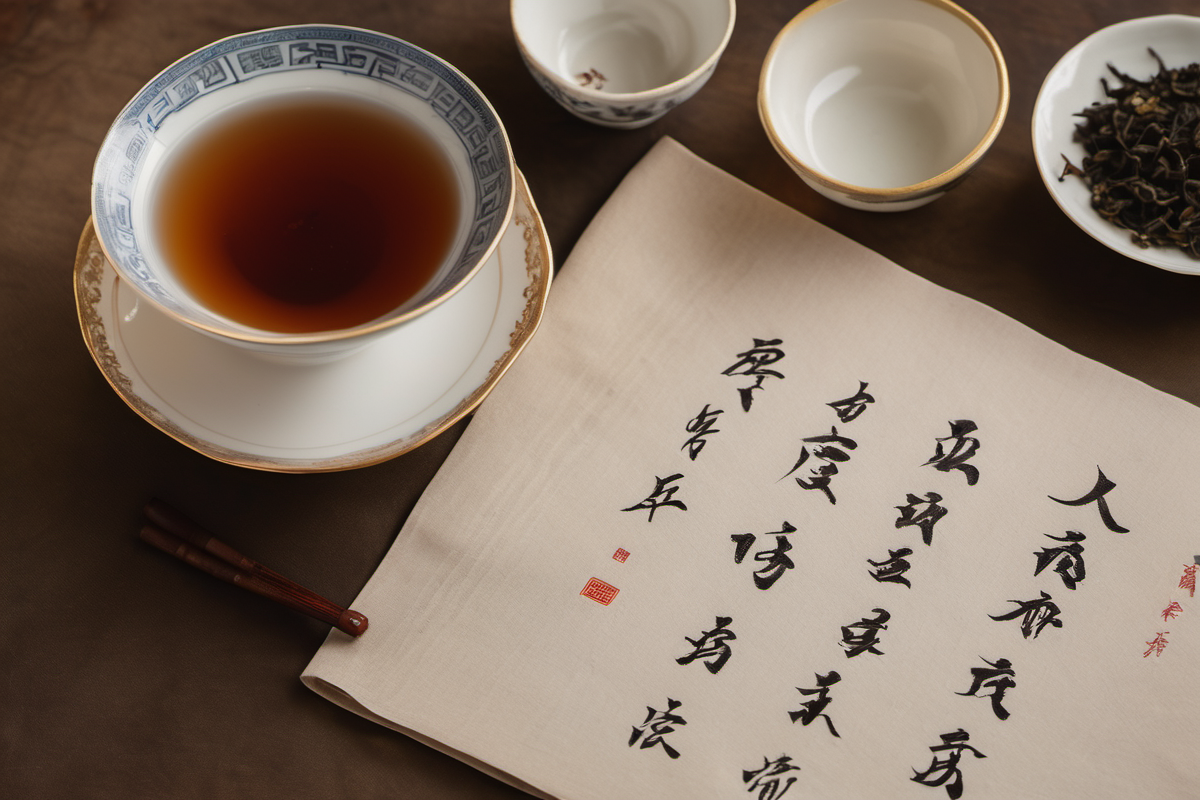
Chinese tea has its own vocabulary. Some terms you can guess; others are untranslatable. Knowing the key terms helps you read tea labels, understand vendor descriptions, order with confidence, and recognize the cultural concepts behind what you’re drinking.
This glossary covers the most useful terms grouped by category: tea types, processing concepts, brewing vocabulary, flavor descriptors, and teaware. Each entry has the pinyin (romanized pronunciation), Chinese characters, English meaning, and a brief explanation.
For broader context, see our types of Chinese tea guide and brewing temperature reference.
How to Use This Glossary
Pinyin (拼音) is the standard romanization of Mandarin. Tones matter for accurate pronunciation but not for reading or searching — “Longjing” is the same tea whether you say it with tone 2 or mispronounce it.
Simplified Chinese characters are shown for reference. If you see different characters elsewhere (e.g., 龍井 instead of 龙井), it’s just the traditional vs simplified form, the same word.
Tea Type Terms
Six Major Categories
| Pinyin |
Characters |
English |
Notes |
| lǜ chá |
绿茶 |
green tea |
Unoxidized; pan-fired or steamed |
| bái chá |
白茶 |
white tea |
Minimally processed; just withered and dried |
| huáng chá |
黄茶 |
yellow tea |
Similar to green, with “sealed yellowing” step; rare |
| wūlóng chá |
乌龙茶 |
oolong tea |
Partially oxidized (8–80%); very wide range |
| hóng chá |
红茶 |
red tea / “black tea” |
Fully oxidized; what Westerners call “black tea” |
| hēi chá |
黑茶 |
dark tea |
Includes pu-erh; fermented and aged |
Important: in Chinese, what Westerners call “black tea” is called 红茶 (hong cha, “red tea”) because of the color of the brewed liquid. Chinese 黑茶 (hei cha, “dark tea”) is fermented tea like pu-erh, which is different.
Specific Famous Teas
| Pinyin |
Characters |
English |
Category |
| Lóng jǐng |
龙井 |
Dragon Well |
Famous pan-fired green tea from Hangzhou |
| Bì luó chūn |
碧螺春 |
Bi Luo Chun (Snail Spring) |
Spiral-rolled green tea from Jiangsu |
| Huáng shān máo fēng |
黄山毛峰 |
Huangshan Maofeng |
Famous green tea from Anhui |
| Bái háo yín zhēn |
白毫银针 |
Silver Needle |
Bud-only white tea; the gentlest |
| Bái mǔ dān |
白牡丹 |
White Peony |
White tea with bud + 1–2 leaves; fuller body |
| Shòu méi |
寿眉 |
Shou Mei / “Longevity Eyebrow” |
Mature-leaf white tea; cheaper, deeper flavor |
| Tiě guān yīn |
铁观音 |
Tieguanyin / Iron Goddess of Mercy |
Famous Anxi oolong; floral when green-fresh |
| Dà hóng páo |
大红袍 |
Da Hong Pao / Big Red Robe |
Famous Wuyi rock oolong; roasted, mineral |
| Ròu guì |
肉桂 |
Rou Gui / Cinnamon |
Wuyi rock oolong; spicy-warm character |
| Shuǐ xiān |
水仙 |
Shui Xian / Water Fairy |
Wuyi rock oolong; smooth, full-bodied |
| Dān cōng |
鸭屎香/单丛 |
Dancong / Phoenix Dancong |
Guangdong oolong; intensely aromatic single-bush |
| Gāo shān wūlóng |
高山乌龙 |
High Mountain Oolong |
Taiwanese oolong from high elevations |
| Jīn zhēn méi |
金骏眉 |
Jin Jun Mei |
Premium Keemun black tea; sweet honey |
| Kēi mún |
祁门 |
Keemun |
Famous Anhui black tea; cocoa-malt |
| Yún nán diàn hóng |
云南滇红 |
Yunnan Dianhong |
Yunnan black tea; rich, malty |
| Pǔ’ěr chá |
普洱茶 |
Pu-erh |
Yunnan fermented tea; ripe (shou) and raw (sheng) |
| Shēng pǔ |
生普 |
Raw / Sheng Pu-erh |
Sun-dried, slow-aged |
| Shóu pǔ |
熟普 |
Ripe / Shou Pu-erh |
Wet-pile fermented in weeks |
Harvest and Grade Terms
| Pinyin |
Characters |
English |
Notes |
| Míng qián |
明前 |
Before Qingming (April 5) |
Earliest spring harvest; premium |
| Yǔ qián |
雨前 |
Before Guyu (April 20) |
Second-tier early spring harvest |
| Chūn chá |
春茶 |
Spring tea |
Most prized for greens |
| Qiū chá |
秋茶 |
Autumn tea |
Often cheaper; sometimes more aromatic for oolong |
| Yá tóu |
芽头 |
Bud |
The unopened tip; lowest caffeine, finest grade |
| Yī yá yī yè |
一芽一叶 |
One bud + one leaf |
Standard premium grade |
Processing Concepts
| Pinyin |
Characters |
English |
Notes |
| Yáng cuì |
阳萎 |
Solar withering |
Initial withering in sunlight |
| Shuài qīng |
摊青 |
Spreading / indoor withering |
After solar withering |
| Yáo qīng / Yáo bàn |
摇青 |
Shaking / “bruising” |
Triggers oxidation in oolong |
| Rè fēng / Shā qīng |
热风 / 杀青 |
Kill-green / Fixation |
Stops oxidation with heat |
| Cuō niǎn |
搓捻 |
Rolling |
Shapes the leaf, breaks cell walls |
| Hōng bèi |
烘焙 |
Roasting |
Develops depth; multiple rounds for Wuyi oolongs |
| Fā jiào |
发酵 |
Fermentation |
The oxidation / microbial processes |
| Wò duī |
渥堆 |
Wet-pile fermentation |
The 1973 invention that creates ripe pu-erh |
| Chén huà |
陈化 |
Aging |
Time-based flavor development |
Brewing Concepts
| Pinyin |
Characters |
English |
Notes |
| Gōng fū chá |
工夫茶 |
Gongfu tea |
High leaf ratio, short steeps, many infusions |
| Chōng pào |
冲泡 |
To brew / infusion |
The act of pouring water over tea |
| Pào |
泡 |
Steep / brew |
|
| Yīn |
焖 |
To hold / trap steam |
Over-steeping |
| Chū tāng |
出汤 |
To pour out |
The moment of decanting the brewed tea |
| Xǐ chá |
洗茶 |
To wash the tea |
The rinse; pour-and-discard first infusion |
| Wēn jù |
温具 |
To warm the vessels |
Pre-heating teaware with hot water |
| Tí qín |
提请 |
To lift and present |
Showing the tea before pouring |
| Chá bǐ |
茶比例 |
Tea-to-water ratio |
Standard: 1:100 Western, 1:15–20 gongfu |
| Pǐn chá |
品茶 |
To taste / appreciate tea |
The verb for “tasting with attention” |
Flavor Descriptors
These appear on tasting notes and vendor descriptions.
| Pinyin |
Characters |
English |
Notes |
| Huí gān |
回甘 |
Returning sweetness |
Lingering sweet aftertaste that builds after swallowing |
| Yùn |
韵 |
“Rhyme” / resonance |
General term for depth, complexity, memorable quality |
| Yán yùn |
岩韵 |
Rock rhyme |
Wuyi rock tea’s mineral signature |
| Huā xiāng |
花香 |
Floral aroma |
General flower note |
| Guān yīn yùn |
观音韵 |
Guan Yin rhyme |
The signature smoothness of Tieguanyin |
| Qí lín |
奇兰 |
Orchid-like |
Specific floral descriptor |
| Huí wèi |
回味 |
Aftertaste |
Lingering flavor |
| Kǔ |
苦 |
Bitter |
Acceptable in moderation; undesirable when harsh |
| Sè |
涩 |
Astringent |
Dry, puckering sensation; can be positive in moderation |
| Tián |
甜 |
Sweet |
|
| Xiān |
鲜 |
Fresh / umami |
The savory-sweet characteristic of fresh tea |
| Huí tián |
回甜 |
Returning sweet |
Same as huigan, used more for white tea |
| Yān |
烟 |
Smoky |
A note from charcoal roasting |
| Huǒ xiāng |
火香 |
Fire fragrance |
The characteristic aroma of roasted oolong |
| Chén xiāng |
陈香 |
Aged fragrance |
The aroma of well-aged pu-erh or white tea |
| Cāng |
仓 |
Storage / warehouse |
Refers to the character imparted by storage conditions |
Body and Texture
| Pinyin |
Characters |
English |
Notes |
| Tǐ gǎn |
体感 |
Body feel / mouthfeel |
The texture and weight of the tea in the mouth |
| Shēn hòu |
深厚 |
Deep / thick |
Full-bodied, layered |
| Bó |
薄 |
Thin / light |
Lacking body |
| Huó |
活 |
Alive / vibrant |
The lively, evolving quality of good fresh tea |
| Huá |
滑 |
Smooth |
Silky, gliding mouthfeel |
Teaware Terms
| Pinyin |
Characters |
English |
Notes |
| Gài wǎn |
盖碗 |
Gaiwan / lidded bowl |
Three-piece brewing vessel |
| Chá hǔ |
茶壶 |
Teapot |
General term |
| Gōng dào bēi |
公道杯 |
Fairness pitcher |
Distributes each infusion evenly |
| Pǐn chá bēi |
品茶杯 |
Tasting cup |
Small cup for sipping tea |
| Tīng chá bēi |
听茶杯 |
Listening cup |
Cup without handle for evaluating aroma |
| Zhǎn |
盏 |
Cup |
More general term |
| Chá pán |
茶盘 |
Tea tray |
Catches spills during brewing |
| Chá chuáng |
茶仓 |
Tea caddy / storage container |
|
| Yí xìng zī |
宜兴紫 |
Yixing zisha clay |
Traditional unglazed clay for teapots |
| Chá jīn |
茶巾 |
Tea towel |
Used to wipe the gaiwan rim |
| Chá dāo |
茶刀 |
Tea knife |
Used to pry pu-erh cakes apart |
| Chá shī |
茶匙 |
Tea scoop |
Measures leaf |
| Chá shùn |
茶筅 |
Tea whisk |
Used in Japanese matcha, less common in Chinese tea |
| Chá hù |
茶壶 |
Teapot |
Same as chá hú |
Tea Pet (茶宠)
| Pinyin |
Characters |
English |
Notes |
| Chá chǒng |
茶宠 |
Tea pet |
Small clay figurine on the tea tray; “drinks” the spilled tea |
| Zhāng sān |
张三 |
Common name |
Generic name for a male tea pet |
Cultural and People Terms
| Pinyin |
Characters |
English |
Notes |
| Sī lú |
司炉 |
Fire master / tea master |
The person who pours tea at a formal session |
| Chá yì |
茶艺 |
Tea art |
The art of brewing and serving tea |
| Chá dào |
茶道 |
Tea way / tea ceremony |
More philosophical term |
| Sù shí |
素食 |
Vegetarian |
Sometimes served with tea |
| Chá xiāng |
茶香 |
Tea fragrance |
The aroma of brewed tea |
| Chá yè |
茶叶 |
Tea leaf / tea (the product) |
|
| Chá shuǐ |
茶水 |
Tea water |
The brewed liquid |
| Xī chá |
习茶 |
Practicing tea |
The path of learning tea |
Health and Wellness Terms
| Pinyin |
Characters |
English |
Notes |
| Qīng rè jiě dú |
清热解毒 |
Clear heat, detoxify |
Traditional Chinese medicine concept |
| Qū hán |
祛寒 |
Dispel cold |
Another TCM concept applied to warm teas |
| Wèi chá |
胃茶 |
Stomach tea |
A tea that’s gentle on digestion, often pu-erh |
| Shēng jīn |
生津 |
Generate fluids / saliva |
The mouth-watering quality of good tea |
Vendor and Quality Terms
| Pinyin |
Characters |
English |
Notes |
| Chūn chá |
春茶 |
Spring tea |
Highest quality for most categories |
| Chūn yá |
春芽 |
Spring bud |
Youngest, most prized leaf |
| Pǐn zhì |
品质 |
Quality / grade |
|
| Zhēn pǐn |
珍品 |
Treasure / premium |
Top tier |
| Dà qì |
大气 |
“Big” / generous character |
A tea with depth and presence |
| Sè xiāng |
色香 |
Color and aroma |
Used together to judge tea quality |
| Chá lù |
茶侣 |
Tea companion |
A friend you regularly drink tea with |
| Míng chá |
名茶 |
Famous tea |
Generally a tea with established reputation |
| Chūn |
春 |
Spring (when said of tea) |
See chūn chá |
Useful Phrases at a Tea Shop
If you’re ordering tea in Chinese, these phrases are useful.
| Pinyin |
English |
Notes |
| “Wǒ xiǎng cháng yī xià …” |
“I’d like to try …” |
Request a sample |
| “Zhè ge chá zěn me pào?” |
“How do you brew this tea?” |
Ask vendor for brewing advice |
| “Yǒu shén me hǎo yǐn de chūn chá?” |
“What good spring teas do you have?” |
Spring tea inquiry |
| “Wǒ xǐ huān huā xiāng de …” |
“I like floral …” |
Describe preference |
| “Kě yǐ bǐ jiào yī xià …” |
“Can I compare …” |
Compare teas |
| “Qǐng gěi wǒ yī xiǎo kuài” |
“Please give me a small piece” |
For pu-erh cakes |
| “Duō shǎo qián yì jīn?” |
“How much per jin?” |
Price inquiry (1 jin ≈ 500g) |
| “Yǒu shén me hǎo chá tuī jiàn?” |
“What good teas do you recommend?” |
General recommendation request |
Words You’ll See on Tea Packaging
| Pinyin |
English |
Notes |
| Yǒu jī chá |
Organic tea |
|
| Chún shǒu gōng |
Purely handmade |
Often refers to processing |
| Gǔ shù |
Old tree / ancient tree |
Tea from old-growth trees, usually pu-erh |
| Tái jiān |
Taiwan-produced |
Taiwanese tea |
| Dān zhǒng |
Single cultivar |
Single varietal (vs blend) |
| Yǒu jī chéng zhòng |
Organic certified |
|
| Wú nóng yào |
Pesticide-free |
|
| Yǒu xiàn gōng sī |
Limited edition / company |
|
Common Tea Adjectives
| Pinyin |
English |
Notes |
| Xiān měi |
Fresh and beautiful |
High praise for fresh tea |
| Nóng yù |
Strong and rich |
Heavy flavor profile |
| Qīng xiāng |
Light fragrance |
Subtler aromatic teas |
| Xiāng tián |
Fragrant and sweet |
Common praise for oolong |
| Huí wèi wú qióng |
Aftertaste lingers endlessly |
High praise for huigan |
Numbers and Quantities
| Pinyin |
Characters |
English |
Notes |
| Yī jīn |
一斤 |
One jin (500g) |
Common weight unit for Chinese tea |
| Yī liǎng |
一两 |
One liang (50g) |
Smaller unit; common in tea shops |
| Yī qián |
一钱 |
One qian (5g) |
Even smaller; for expensive teas |
| Yī gōng jīn |
一公斤 |
One kilogram (1000g) |
Modern unit |
| Yī bǎi kè |
一百克 |
100 grams |
Modern unit |
Tea Storage Terms
| Pinyin |
Characters |
English |
Notes |
| Chén huà |
陈化 |
Aging |
Time-based flavor development |
| Cāng kù |
仓库 |
Warehouse |
Storage facility |
| Chá cāng |
茶仓 |
Tea warehouse / cellar |
Specifically for tea storage |
| Kūn míng cāng |
昆明仓 |
Kunming (dry) storage |
Lower humidity, slower aging |
| Xiāng gǎng cāng |
香港仓 |
Hong Kong (wet) storage |
Higher humidity, faster aging |
| Chá gāng |
茶缸 |
Tea canister |
Storage vessel |
| Fēng cáng |
封藏 |
Sealed storage |
|
What’s Not in This Glossary
Some terms are intentionally left out:
- Highly specialized terms like “tannin levels in oxidized oolong at 70% humidity” — too niche for most drinkers
- Japanese tea terms like matcha, sencha — different category, not Chinese tea
- Traditional medicine theory like 五行 (five elements) — relevant context but not tea-specific
A Note on Pronunciation
Mandarin tones can shift the meaning of words. For tea terms:
- Longjing (龙井, Dragon Well): “long” rhymes with “song”, “jing” rhymes with “jeans” (tone 3)
- Tieguanyin (铁观音, Iron Goddess): “tie” like “tea-eh”, “guan” like “gwan”, “yin” like “yeen”
- Da Hong Pao (大红袍, Big Red Robe): “dah” like “car” but flat, “hong” like “hong”, “pao” like “pow” (tone 2)
- Pu-erh (普洱): “pu” like “poo”, “erh” like “are”
Don’t worry about getting tones perfect — Chinese tea drinkers will understand you regardless.
Common Confusions
| Confusion |
Resolution |
| “Black tea” (Western) |
红茶 (hong cha) in Chinese, not 黑茶 |
| “Black tea” (Chinese 黑茶) |
Dark / fermented tea like pu-erh |
| “Yellow tea” vs “yellow” descriptor |
黄茶 (yellow tea) is a tea category; “yellow color” of liquor is different |
| “Red tea” in China |
红茶 = Western black tea; not herbal “red rooibos” |
| “Sour” pu-erh |
Bad sign; storage issue or contamination |
| “Bitter” tea |
Can be intentional (young raw pu-erh); can be brewing mistake |
| “Astringent” (涩, sè) |
Often confused with “bitter”; dry, puckering sensation, often positive |
| “Oolong” oxidation level |
Wide range 8–80%; “oolong” doesn’t mean a specific oxidation |
Glossary Sources
The terms in this glossary come from common Chinese tea culture usage, vendor descriptions, and traditional tea ceremony vocabulary. For more formal references on specific terms:
- 茶经 (Cha Jing, “The Classic of Tea”) by Lu Yu, 8th century — the original tea text
- 大观茶论 (Da Guan Cha Lun, “Treatise on Tea”) by Emperor Huizong, 12th century
- Modern vendor terminology varies regionally; ask local vendors for pronunciation tips
A Closing Note
Don’t try to memorize this glossary. Use it as a reference when you encounter an unfamiliar term on a tea label, in a vendor’s description, or in conversation. Over time, the most common terms will become familiar through use.
The goal isn’t to speak fluent tea vocabulary — it’s to be able to recognize and use the words you encounter most often. Most tea drinkers, even experienced ones, know only a fraction of these terms in active use.
Further Reading
Categories: Tea Types, Buying & Storage